Pot Still Vs. Reflux Still - 10 Key Differences Explained
Pot stills and reflux stills make alcohol differently, giving very different results. Pot stills are the classic choice for traditional spirits like whiskey. Reflux stills, on the other hand, create cleaner, purer alcohol, great for things like vodka.
Difference Between Pot Stills And Reflux Stills
1. Structure
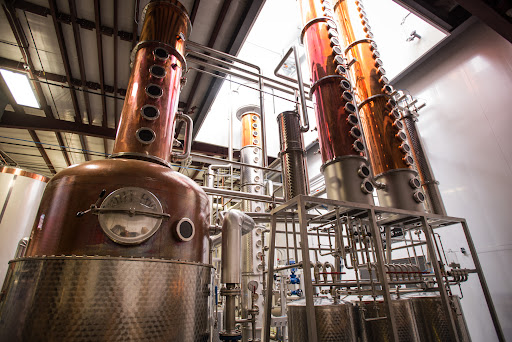
Pot stills is made up of a big copper pot that connects to a curved neck and a cooler, so they're small and easy to put together, while reflux stills add a tall column filled with special packing material between the pot and cooler.
This column has a cooling section that lets vapor turn back to liquid and fall, cleaning it better as it rises. Cleaning is simpler with pot stills since there's less to scrub, but the packing in reflux columns needs checking to avoid clogs. Pot stills fit tight spaces; reflux needs height but lets you swap parts easily.
2. Function
With a pot still, you boil the mash, send vapor up the neck and collect the cooled liquid. You'll need to run it again to get it stronger, carefully separating the good stuff from the bad parts. Reflux stills work differently, vapor climbs the column, some turns back to liquid and falls and this back and forth cleans it step by step before collection.
Pot stills need you watching closely, reflux runs steady once started. Pot stills gulp power each time you reheat, but reflux uses steady, lower heat. Both handle different mashes, but pot stills keep more of the original flavor during boiling.
3. Results
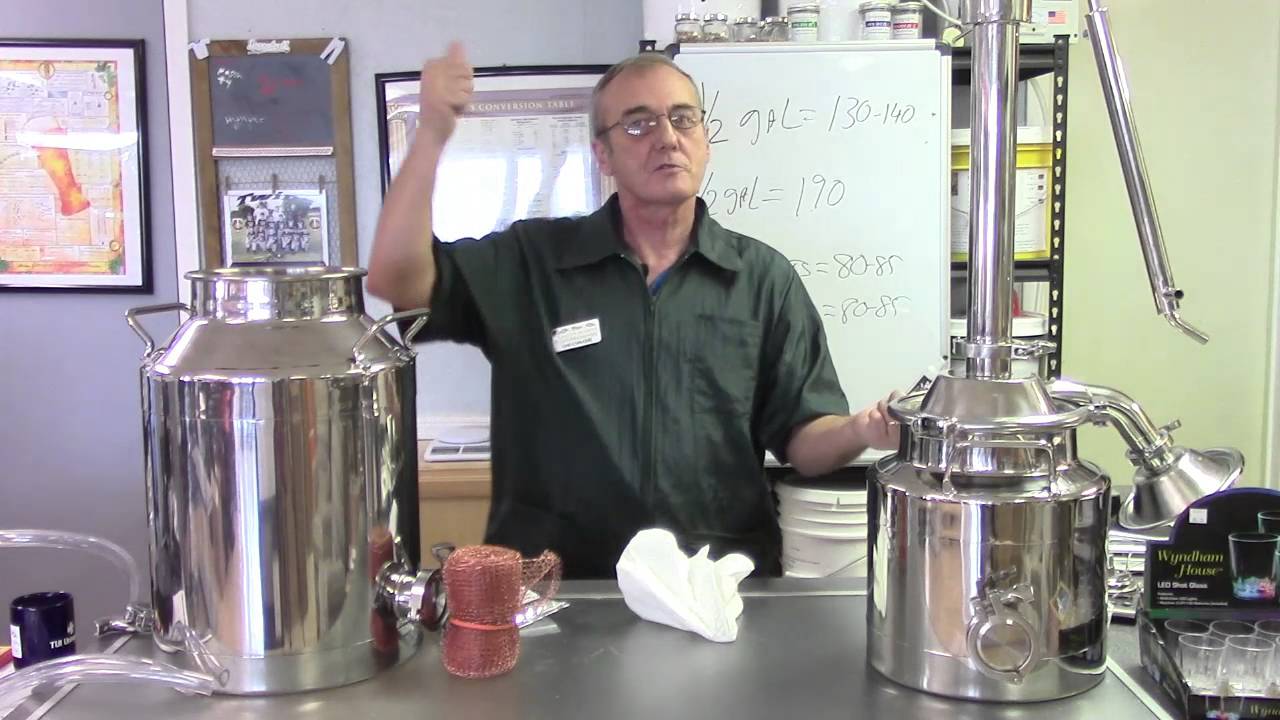
Pot versus reflux and more
Pot stills give less strong spirit per run around 40-60% alcohol, so you must distill it again for higher strength. This takes more time and energy.
Reflux stills can hit 95% alcohol in one pass by cleaning vapor thoroughly inside the column. They reuse vapor smartly, wasting less and getting more from your mash. Big operations lean toward reflux, but pot stills stay perfect for small-batch craft spirit.
Read Also: How To Pick Distilling Equipment For Any Skill Level
4. Strength And Cleanliness
Pot stills make spirits with good flavor but not super high strength, usually under 85%. They keep natural oils and compounds that give character, but this also means more batch variation.
Reflux stills, on the other hand, produce very clean, strong alcohol close to the max possible. They control strength tightly by adjusting how the vapor moves and cools. While both make safe drinks, column stills better remove harsh elements.
5. Taste Variation
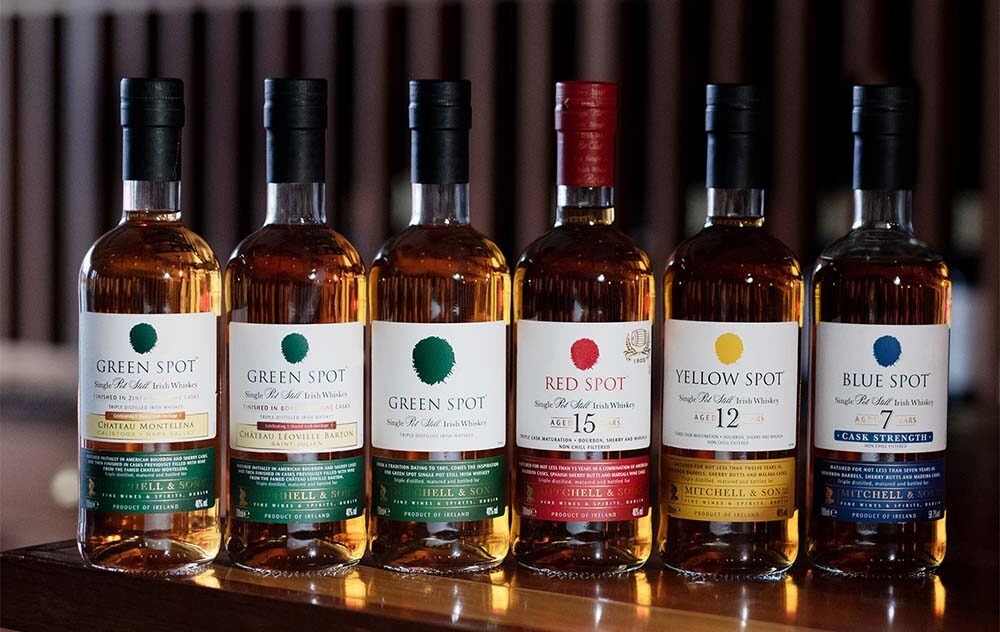
Pot stills shine when you want bold flavors. They keep the character of grains or fruit, giving whiskeys and brandies that deep, layered taste people love. Reflux stills work differently.
They strip out most flavors to create a clean spirit, ideal for vodkas or gins you’ll flavor later. These neutral spirits mix well but lack complexity on their own. Pot-distilled versions, though, develop beautifully with age.
6. Suitable Spirits
Pot stills are used for spirits like whiskey, rum and brandy, which keeps tradition alive. They’re also used for some tequilas and schnapps. Reflux stills work best when you need pure, clean alcohol fast, like for vodka, neutral spirits, or big-batch gin bases often served in most bars in Londonthat favor smooth, high-quality pours. Pot stills are better for small batches and craft styles, while reflux stills produces in bulk.
7. Simplicity
Pot stills are simple to run, just heat them up and keep an eye on things. They're great for beginners learning how to make clean spirits. Reflux stills need more attention, controlling water flow and packing the column.
Pot users mainly watch the clock. Reflux users must control temperatures very carefully. Both get easier with practice, but pots are more forgiving when you're starting out.
8. Cost Price
Pot stills are cheap at first, often under $500 for home models. You mostly just clean them and replace small parts now and then. Reflux stills usually start at $800 or more because their columns are complex.
Reflux stills might save money later because they make more spirit from the same mash. Pots are cheaper to set up for small-scale hobbyists. Reflux stills can be upgraded, but pots are harder to change later.
9. Comfortability
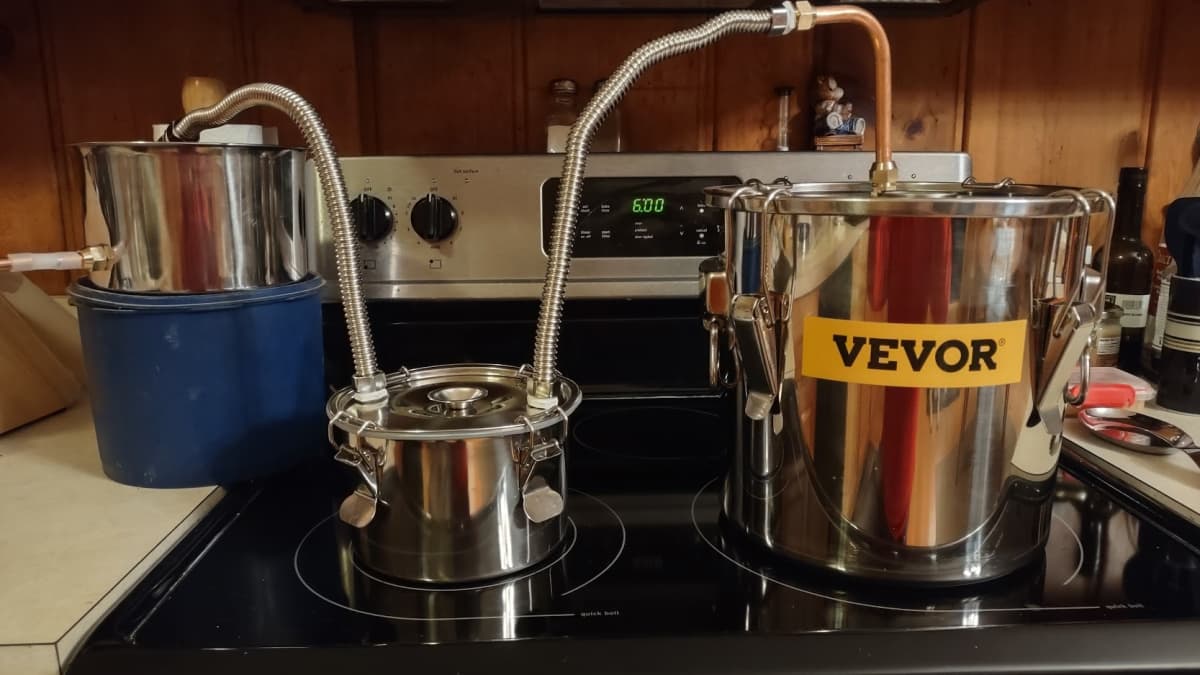
Many home distillers like pot stills because they fit better in small spaces like kitchens or garages. They're also legal for home use in more places. Reflux stills needs a bigger space to function. Pots need someone watching the boil, while reflux adds the hassle of managing a water pump.
Pots are fun for trying different mashes. Reflux is better if you want the best alcohol for making flavors. Home pot runs are usually small and personal. Reflux can make bigger batches for gatherings, but it needs a steady water supply.
10. History
Pot stills are old-school and have been used for centuries to make spirits like Scotch. Their basic design hasn't changed much, keeping that hands-on craft feel. Reflux stills came along in the 1800s for factories needing very pure alcohol.
Pots are tied to traditions in places like Ireland and Scotland. Reflux helped make modern vodka possible. People love pot stills for honoring that history. Reflux tech keeps getting better for efficiency.
FAQs About Pot Still And Reflux Still
What's Best To Make With A Pot Still?
Stick with whiskey or rum using a pot still. It keeps the flavors and smells from your mash, giving you that rich, traditional taste.
How Does A Reflux Still Get Cleaner Alcohol?
In a reflux still, vapors rise and fall inside the column multiple times. This process removes more impurities, leaving you with very clean alcohol that is perfect for making smooth vodka.
Is A Pot Still Easier If I'm Just Starting Out?
You just set it up, heat it, and watch the process. It’s easy to learn when to collect your good stuff.
Can I Turn My Pot Still Into A Reflux Still?
Some stills let you add a column to switch to reflux mode. This gives you more flexibility without buying a whole new setup.
How Is Cleaning Different For Each Still?
With a pot still, you mainly clean the big pot and the cooling coil. Reflux stills need extra attention, you have to check the column packing since it can get blocked over time.
Which One Uses Less Power Over Time?
Reflux stills usually save energy because they do the job in one go. Pot stills often need multiple runs for the same result, using more power.
Final Thoughts
Pot stills and reflux stills do different jobs. Pot stills give your spirits deep, complex flavors. Reflux stills make cleaner, purer alcohol faster. To know the right one for you comes down to what you're making and how you like to work. If rich taste matters most, go pot still. If you want high purity or speed, choose reflux.
Also Check Out: Technology Trends In Distilling Industry