Technology Trends In Distilling Industry - A New Era Of Craft And Innovation
Beyond The Still: The Technology Trends Revolutionizing The Distilling Industry
The romantic image of a distiller is often rooted in tradition: a master craftsman, working with time-honored techniques, a copper still, and an experienced palate. While that passion for craft remains the heart of the industry, the tools of the trade are evolving faster than ever.
Technology is no longer an afterthought; it’s an essential ingredient shaping everything from the farm to the final bottle. Far from replacing the art of distilling, these new technologies are augmenting it, enabling producers of all sizes to achieve unprecedented levels of efficiency, consistency, and sustainability.
They are transforming the back-of-house operations to free up the master distiller to focus on what truly matters: creativity and flavor. We're on the cusp of an era where a distillery's heritage is preserved not in opposition to technology, but in a powerful partnership with it.
Artificial Intelligence And Machine Learning: The Brains Of The Modern Distillery
At the core of this transformation is the application of artificial intelligence (AI) and machine learning (ML). These technologies are moving beyond simple data analysis to become integral to real-time decision-making and process control.
- AI-Powered Process Optimization has emerged as one of the most significant trends in distillery operations. Advanced algorithms continuously monitor a multitude of variables during fermentation and distillation, such as temperature, pH levels, and ingredient composition. By analyzing this data in real-time, AI systems can dynamically adjust conditions to ensure each batch is produced under optimal circumstances, minimizing waste and maximizing yield. This is a significant leap from traditional methods that rely on static, pre-set parameters and human intuition.
- Quality Control Revolution: AI systems are spearheading a revolution in quality control. By analyzing data from sensors and cameras, they can detect defects, variations, and off-flavors in real-time. These systems don't just flag problems; they can also use machine learning models to predict and adjust for potential variations before they impact the final product. For example, some models can predict ethanol yields with remarkable accuracy, with some studies showing an R² value above 0.84, which empowers distillers to make proactive adjustments and maintain unwavering product consistency.
- Fermentation Enhancement: Machine learning algorithms are being used to optimize fermentation conditions to achieve maximum product quality and efficiency. By analyzing historical data from thousands of batches, ML models can identify subtle patterns and optimal conditions for specific microorganisms, leading to improved flavor profiles, higher alcohol yields, and greater consistency from batch to batch.
Internet Of Things (IoT) And Smart Sensors: The Eyes And Ears Of The Distillery
The integration of the Internet of Things (IoT) is providing a sensory network that gives distillers unprecedented oversight and control.
- Real-Time Monitoring Systems: IoT sensors, strategically placed throughout the distillation process, provide a continuous flow of data on critical parameters like temperature, pressure, alcohol concentration, and liquid levels. This data is transmitted to cloud-based analytics platforms for real-time processing, allowing distillers to make immediate, data-driven adjustments that enhance efficiency and drastically reduce waste. A recent study demonstrated how an IoT system reduced distillation time by 32% and labor requirements by 66.7% in an essential oil operation.
- Connected Distilleries: The modern distillery is becoming a "connected factory" where every stage is infused with smart technology. From the initial malting and mashing to the final fermentation and distillation, IoT sensors and devices monitor and optimize every parameter. This holistic approach ensures precise control over everything from ingredient proportions to ambient temperature, allowing for a level of consistency and precision previously unattainable.
- Smart Barrel Tracking: One of the most significant challenges in the industry is barrel management. IoT-enabled "smart barrels," equipped with sensors, can now monitor temperature, pressure, and the whiskey's distilling processin real-time. This provides distillers with granular data on aging processes, allowing them to track the evolution of their spirits with a precision that goes far beyond traditional sampling methods.
Automation And Process Control: The Hands That Never Tire
Automation is taking over repetitive and labor-intensive tasks, freeing human distillers to focus on the art and craftsmanship of their trade.
- Comprehensive Automation Systems: These systems are revolutionizing distillery operations by reducing manual labor and enhancing efficiency. Automated systems now handle routine tasks such as quality monitoring, inventory management, and production scheduling. This reduces the margin for human error, improves operational accuracy, and allows for continuous operation, reducing costly downtime.
- Precision Control Technologies: Automation ensures consistent product quality through technologies that offer a level of precision that is impossible to achieve manually. Automated systems can maintain temperature control with an accuracy of ±1°F and deliver recipe accuracy of ±5% in large batches (1800 lbs+), guaranteeing that every bottle meets the same high standard of quality.
- Remote Operations Management: The rise of remote monitoring capabilities allows distilleries to oversee their entire production process from anywhere in the world. This remote oversight enables real-time decisions about production and maintenance, ensuring optimal resource utilization and preventing costly delays, even when staff are not on-site.
Predictive Maintenance And Digital Analytics: Foresight For Flawless Operations

Leveraging data for foresight is a key differentiator for modern distilleries.
- Predictive Maintenance Technologies: These systems use advanced sensors and data analytics to predict equipment failures before they occur. By analyzing data from machinery, they can identify subtle patterns that precede a breakdown, enabling proactive maintenance strategies that significantly reduce unexpected equipment failures and the associated downtime.
- Time Series Data Analytics: Distilleries are utilizing sophisticated time series data analytics to optimize processes in real-time. By continuously collecting and analyzing data from sensors and IoT devices, distilleries can gain insights into critical variables, apply mathematical models to predict trends and deviations, and make adjustments on the fly, leading to continuous improvement and efficiency.
Blockchain And Supply Chain Traceability: Ensuring Authenticity From Grain To Glass
As the premium spirits market grows, so does the risk of counterfeiting. Blockchain technology is emerging as a powerful solution to this problem.
- Blockchain-Based Traceability Systems: These systems are transforming supply chain transparency by creating tamper-resistant records of every step a product takes. From the farm where the grain is grown to the distillery, bottling plant, and final point of sale, every transfer of ownership and every process is recorded on a secure, immutable digital ledger.
- Smart Contract Implementation: Smart contracts automate the tracking of ownership transfers throughout the supply chain. Consumers can access this blockchain data via a simple QR code on the bottle, allowing them to verify the product's authenticity, origin, and history, building unprecedented trust and brand loyalty.
Digital Twins And Advanced Modeling: The Virtual Distillery
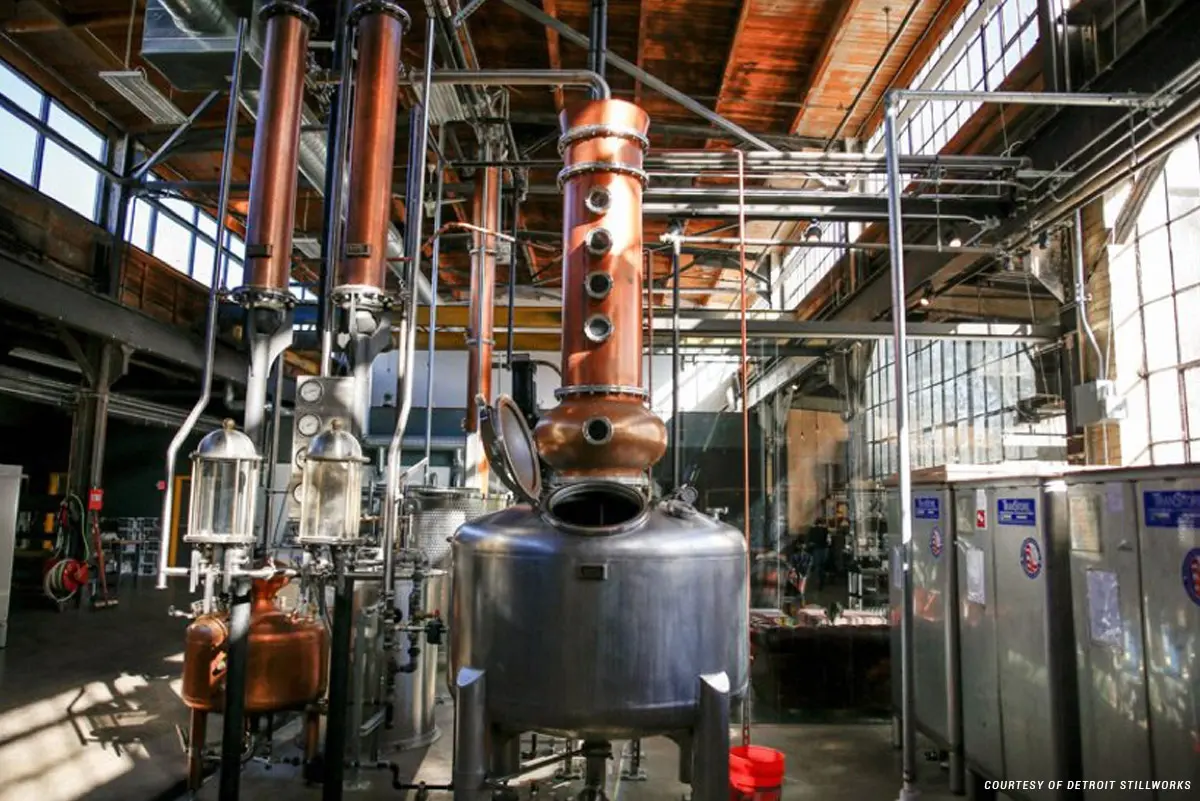
Digital twins are taking distillery design and operational planning into the virtual realm.
- Digital Twin Technology: By creating virtual representations of physical distillery systems, digital twin technology allows for a risk-free environment to test and optimize processes. Distillers can run simulations, test future scenarios, and assess improvements without investing in physical infrastructure, optimizing building performance and manufacturing processes long before a single brick is laid.
- Process Simulation and Optimization: Digital twins allow distilleries to assess numerous variables to optimize separation processes and increase productivity. They can virtually test the impact of changes in temperature, sensor locations, flow rates, and even geometric dimensions to determine the most efficient configuration before any physical implementation, saving significant time and resources.
Robotic Automation And Packaging: The Final Touch
Automation is not limited to the distillation process itself; it is also transforming the final stages of production.
- End-of-Line Automation: AI-powered robotics systems are revolutionizing packaging and palletizing operations. These robots can build mixed-case pallets for dynamic route-stop delivery, improving efficiencies, reducing manual labor, and significantly enhancing facility safety measures by taking over heavy-lifting tasks.
- Flexible Automation Solutions: Modern robotic systemsare highly flexible and can handle various bottle types and packaging configurations with minimal changeover time. With multiple servos, these systems can adapt immediately to new formats, dramatically reducing production losses associated with changing product lines.
Sustainability And Energy Efficiency: A Greener Spirit
Technology is playing a crucial role in making the distilling industry more sustainable.
- Water Conservation and Recycling: Water is a critical ingredient and a significant point of waste. Modern systems are now capable of recycling and reusing water throughout the process. This closed-loop approach significantly reduces water consumption, a crucial factor in a resource-constrained world.
- By-Product Valorization: Distilling creates significant waste, primarily spent grains. Technology is enabling a "circular economy" model where these by-products are repurposed into livestock feed, renewable energy (biogas), or even new food products. This not only minimizes waste but also creates new revenue streams.
- Heat Recovery Systems: These systems are essential for improving eco-efficiency by capturing waste heat and repurposing it, for example, to pre-heat fermentation tanks. This can lead to carbon emission reductions of 8-23% and water scarcity savings of 13-55% with a quick return on investment, making sustainability a sound business decision.
- Electrification of Distillation Processes: The shift from traditional fossil fuels to electric heating systems for distillation is a major trend toward sustainability. Electric systems allow for targeted energy application, reducing waste and providing distillers with far greater accuracy in fine-tuning their processes.
- Energy Management Technologies: AI-driven systems are being used to monitor and optimize energy consumption, water usage, and waste management. Machine learning modelsanalyze data to identify inefficiencies and suggest improvements, enabling distillers to reduce their environmental footprint and align with modern consumer values.
Cloud Computing And Data Analytics: The Digital Backbone

Cloud technology provides the infrastructure for all these new systems to work together seamlessly.
- Cloud-Based Management Systems: Distilleries are moving to cloud platforms to leverage scalable analytics operations. These systems provide the real-time data processing capabilities and machine learning algorithms needed to predict trends and optimize processes across the entire operation, from multiple locations if necessary.
- Integrated ERP Solutions: Cloud-based Enterprise Resource Planning (ERP) solutions offer comprehensive distillery management from grain to glass. They provide a unified platform for complete traceability, inventory management, production scheduling, and regulatory compliance reporting, simplifying a complex process and providing a single source of truth for all operational data.
You Might Like: Game Development Analytics - The Secret To Creating Better Games
Augmented Reality For Training And Maintenance: Knowledge At Your Fingertips
Augmented Reality (AR) is bridging the gap between digital data and the physical world of the distillery.
- AR-Enhanced Training Programs: AR is revolutionizing how personnel learn complex operational and maintenance procedures. By overlaying step-by-step instructions directly onto equipment through AR glasses or mobile devices, distilleries can significantly reduce training time, improve accuracy, and ensure safety.
- Maintenance Support Systems: AR technology helps technicians perform complex maintenance tasks with real-time visual guidance. A technician can share their view with a remote expert who can annotate the technician's field of view, providing live support that reduces errors, improves safety, and accelerates the learning curve for new employees.
Challenges And Opportunities

While technology promises a bright future for the distilling industry, its adoption is not without hurdles. These challenges, however, are often the very things that create the most significant opportunities for growth and innovation.
The Challenges Of Embracing Modern Systems
For many distilleries, particularly small and craft-focused operations, the road to modernization can be a steep one. The primary obstacles are financial, operational, and cultural.
1. The Financial Burden of New Technology: High-tech equipment, from automated bottling lines to advanced fermentation sensors and enterprise resource planning (ERP) software, often comes with a significant price tag. For a small distillery operating on tight margins, a single investment could strain their budget, making it difficult to justify the upfront cost. They must weigh the long-term benefits of efficiency against the immediate financial risk.
2. The Learning Curve and Training Efforts: New systems are only as good as the people who operate them. Implementing technology requires a significant investment in training, which can be time-consuming and expensive. Distillery teams, often small and close-knit, need to learn how to use complex software and machinery, which can disrupt daily operations and cause resistance to change.
3. The Balance Between Innovation and Tradition: The distilling industry is built on a foundation of heritage and artisan craft. Many consumers are drawn to the authenticity of a small-batch, hand-crafted spirit. Embracing technology—especially automation—can lead to concerns that the "human touch" will be lost. Distillers must find a delicate balance, using technology to enhance their craft rather than replace it, so they can appeal to traditionalists while still innovating.
Turning Obstacles Into Opportunities
Despite these hurdles, the obstacles presented by technology are also powerful catalysts for growth. Distilleries that can skillfully navigate this landscape can position themselves for long-term success.
1. Scalable Solutions for Financial Constraints: Instead of a full-scale overhaul, smaller distilleries can adopt technology incrementally. They can start with more affordable and targeted solutions, such as implementing real-time data monitoring for a single still, using cloud-based inventory software, or investing in a single piece of automated equipment for a bottleneck task. This modular approach allows them to see a return on investment before committing to a larger expense.
2. Augmenting, Not Replacing, the Craft: The smartest distillers are using technology to protect and enhance their craft. Automation can handle repetitive tasks like cleaning stills or bottling, freeing up the master distiller to focus on creative tasks: experimenting with new ingredients, perfecting unique recipes, and interacting with customers. Technology becomes a tool for consistency and safety, allowing the artisan to focus on the art of flavor creation.
3. Market Differentiation through Transparency and Quality: Technology offers new ways to stand out in a competitive market. A distillery that uses data analytics to achieve perfect batch consistency can build a reputation for quality. One that employs blockchain to track their ingredients from farm to bottle can market their transparency and authenticity to a new generation of conscious consumers. By blending cutting-edge tools with a deep respect for tradition, they create a unique value proposition that is hard to match.
Market Impact And Future Outlook: A New Era Of Craftsmanship
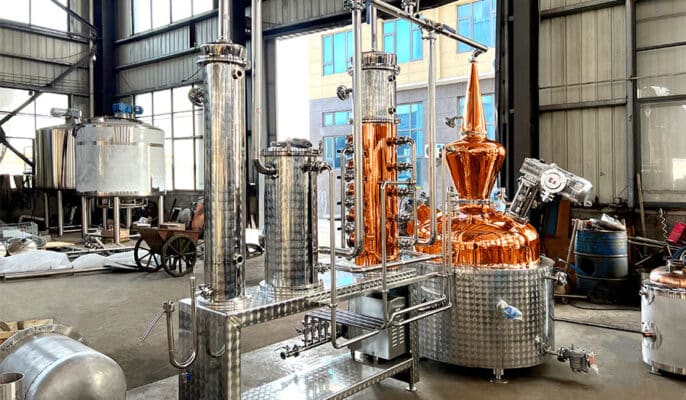
The confluence of these technologies is not just a passing trend; it's a fundamental reshaping of the industry. The global distillation tower market alone is projected to grow from USD 5.2 billion in 2024 to USD 8.1 billion by 2033, driven largely by the adoption of these technological advancements.
The integration of machine learning, AI, and data analytics is creating new opportunities for unprecedented levels of optimization and efficiency. The future of distilling is a fascinating blend of heritage and innovation. While the core artistry of crafting spirits remains paramount, technology is providing the tools to perfect that craft.
By embracing these advancements, distilleries are positioning themselves for a future where they can be more efficient, more sustainable, and more consistent than ever before, all while preserving the artisanal character that defines premium spirits. This convergence is not replacing the human touch but is empowering it, creating a new paradigm for craftsmanship in the 21st century.
Frequently Asked Questions About Technology Trends In The Distilling Industry
How Does AI Help With The Flavor Of Spirits?
AI helps with flavor by analyzing vast amounts of data—such as fermentation temperatures, yeast strains, barrel types, and aging times—from previous successful batches. This allows it to identify patterns and predict how certain variables will affect the final flavor profile, helping distillers make more informed decisions to achieve their desired taste.
Is Automation Too Expensive For A Small Craft Distillery?
While large-scale robotics can be a significant investment, automation isn't all-or-nothing. Small craft distilleries can start with more accessible technologies, such as IoT sensors for real-time monitoring, automated cleaning systems, or even simple digital inventory management tools. These smaller, more targeted investments can still provide significant returns in efficiency and quality control.
What Are The Biggest Benefits Of Using Data Analytics In A Distillery?
Data analytics provides several key benefits: it helps optimize production by identifying bottlenecks, improves consistency by monitoring critical variables, enhances sustainability by tracking energy and water usage, and can boost sales by analyzing consumer behavior to forecast demand and inform marketing strategies.
What Is Blockchain, And How Is It Used For Spirits?
Blockchain is a secure, decentralized digital ledger. In the spirits industry, it is used to create a transparent and tamper-proof record of a bottle's journey. Each step, from the origin of the ingredients to bottling and shipping, can be logged, allowing consumers to verify a product's authenticity and trace its provenance, which is particularly important for rare or high-value spirits.
Can Technology Help Reduce The Environmental Impact Of My Distillery?
Absolutely. Technology is at the forefront of sustainability in distilling. Innovations like smart energy management systems, biomass boilers, closed-loop water recycling, and by-product valorization (repurposing spent grain) are all powerful tools that can dramatically reduce a distillery’s carbon footprint, energy consumption, and overall waste.
How Are Modern Consumers Engaging With Technology In The Spirits Industry?
Consumers are engaging through a variety of tech-driven experiences. This includes e-commerce platforms with personalized recommendations, augmented reality (AR) apps that bring a bottle's label to life with interactive content, and blockchain-based QR codes that allow them to verify a product's authenticity and learn its full story.
What's The Difference Between A "smart Distillery" And A Traditional One?
A smart distillery is a traditional one enhanced by a network of interconnected technologies. While a traditional distillery relies heavily on manual processes and human intuition, a smart distillery uses real-time data, automation, and AI to optimize efficiency, consistency, and sustainability, while freeing the master distiller to focus on the art and creativity of their craft.
What Are Some Of The Ethical Considerations With New Distilling Technologies?
As technology becomes more integrated, ethical considerations include data privacy for consumers using e-commerce platforms, the impact of automation on labor, and ensuring that the use of AI doesn't erase the human artistry and tradition that defines the spirit industry. Finding a balance is key.
Conclusion
The confluence of these technology trends is ushering in a new era for the distilling industry—one where the soul of the craft is not compromised, but fortified. The distiller of the future will be a hybrid of tradition and innovation, using data not to dictate their art, but to refine it. They will leverage automation not to replace their skilled workers, but to elevate them.
The journey from grain to glass is being transformed into a more efficient, sustainable, and transparent process, benefiting everyone from the producer to the connoisseur. These technological advancements are proving that the rich heritage of distilling can thrive in the 21st century by embracing a future that is as thoughtfully crafted as the spirits themselves.
See Also: Master The Art Of Picking Distilling Equipment For Any Skill Level In 2025