20 Famous Brewery Buildings Around The World | Architectural Wonders
The world’s most famous breweries are not just places where beer is made. They are architectural landmarks that reflect stories of the industrial age, cultural heritage, and creative design. These structures have earned their place in brewing history because of their unique designs, cultural importance, or massive size.
Some still operate and produce millions of barrels of beer every year, while others have become museums, restaurants, or multi-purpose spaces that celebrate their brewing past. These remarkable buildings have become destinations on their own, where the art of brewing lives on in spaces as memorable as the drinks they create.
1. Guinness Storehouse – Dublin, Ireland
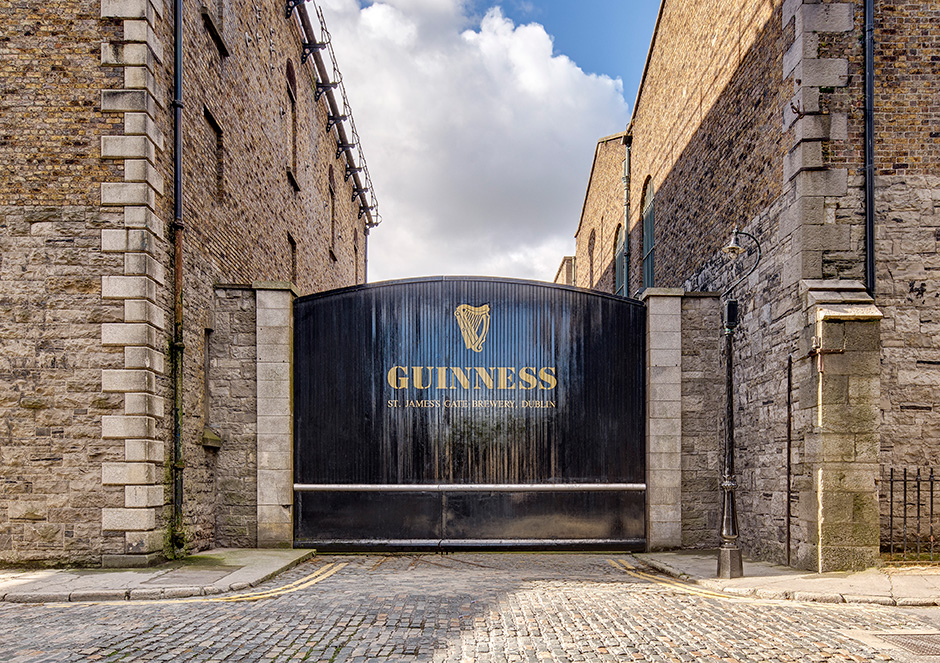
The Guinness Storehouse stands as Ireland's most visited tourist attraction, housed in a striking seven-story building at St. James's Gate Brewery. Built in 1904 as a fermentation plant, this Chicago School-style structure features a stunning glass atrium designed in the shape of a pint glass. It remains one of the most recognized beverage landmarks in the world, comparable in fame to distilleries associated with popular whisky brands.
The building spans 14,000 square meters and rises 46 meters high. The architectural restoration preserved the original steel framework and brick facade while creating a modern interior experience. The iconic Gravity Bar on the top floor offers 360-degree views of Dublin.
Location:Market Street, Dublin 8, Ireland
Status:Museum and visitor center (opened 2000)
Original Construction:1904
2. Carlsberg Brewery Complex – Copenhagen, Denmark
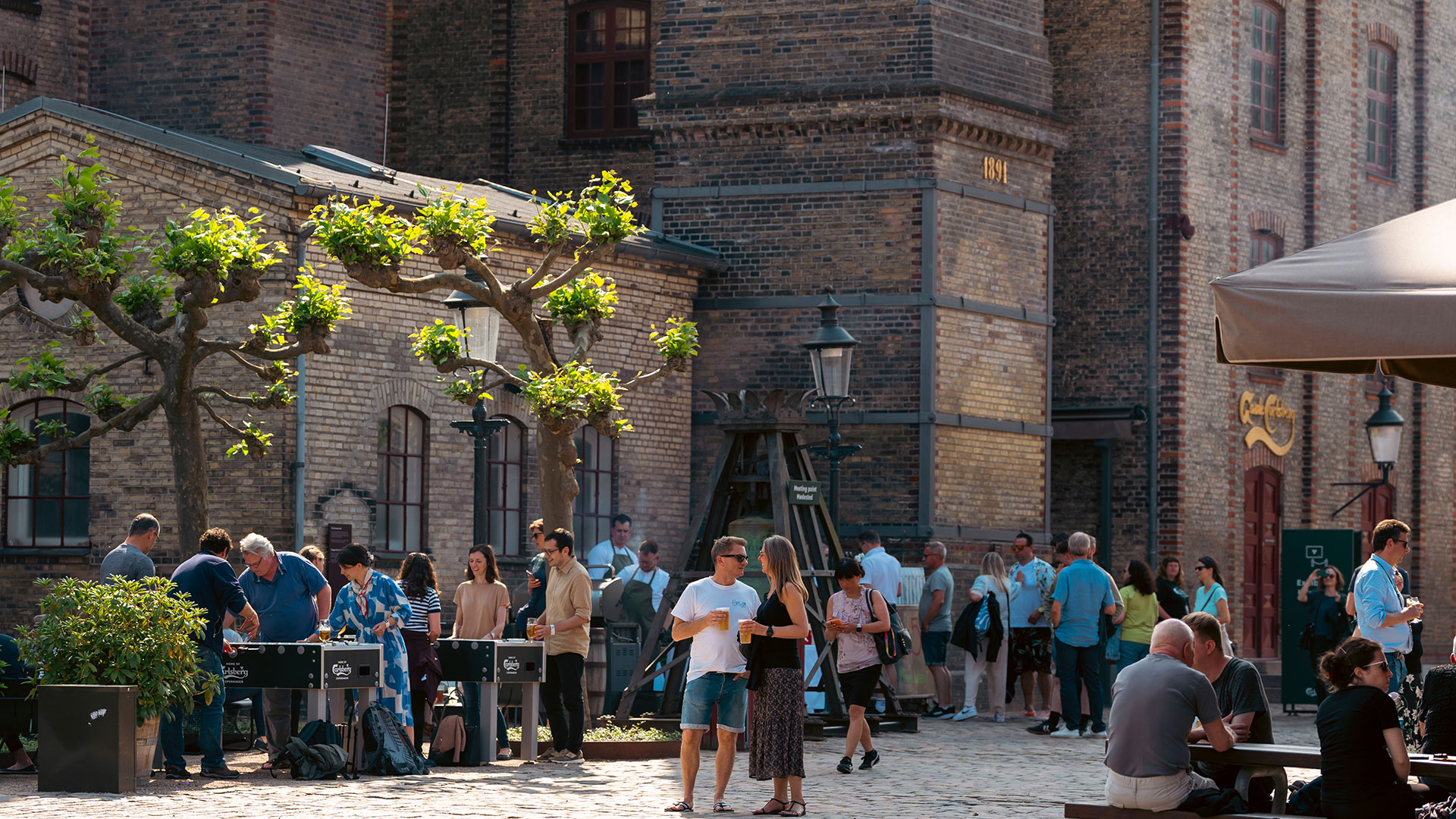
The Carlsberg Brewery complex represents 19th-century industrial architecture at its finest. The original 1847 brewery features Renaissance Revival buildings designed by architect Vilhelm Dahlerup, including the famous Elephant Gatewith its four life-sized granite elephants.
The sprawling complex includes the original brewhouse, fermentation cellars carved into limestone hills, and the beautiful Jacobsen House. The site now hosts museums, galleries, and research facilities alongside limited brewing operations.
Location:Valby, Copenhagen, Denmark
Status:Mixed-use (museum, cultural center, limited production)
Original Construction:1847, expanded throughout 19th century
3. Heineken Experience – Amsterdam, Netherlands
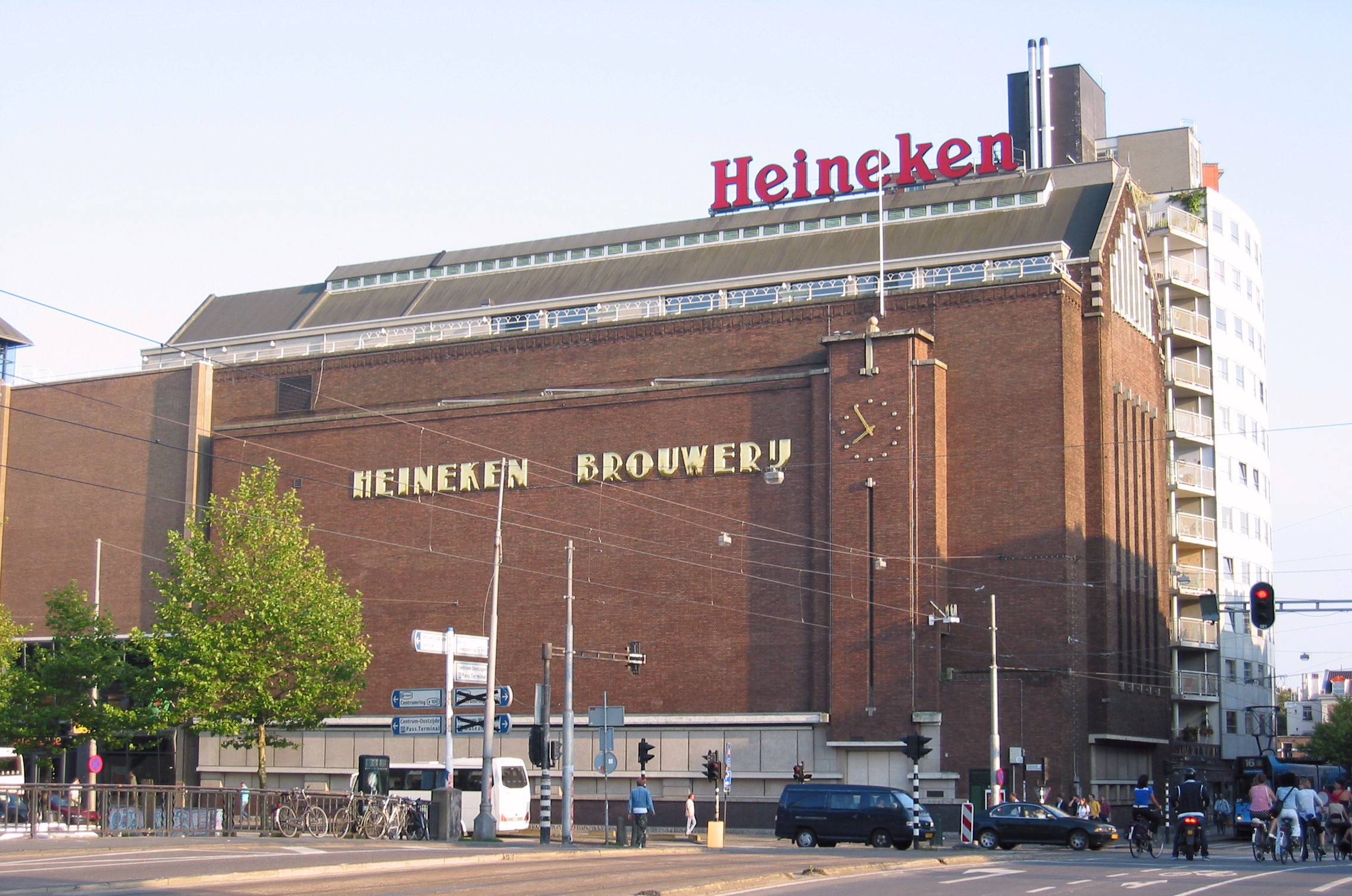
The original Heineken brewery building showcases Dutch Renaissance architecture with its distinctive green-trimmed red brick façade. Built as the company's first purpose-built brewery, the structure features massive brewing halls with soaring ceilings supported by cast-iron columns.
The five-story building demonstrates industrial efficiency through its vertical brewing process design. Architectural elements include ornate brickwork, arched windows, and a copper-topped tower that became a neighborhood landmark.
Location:Stadhouderskade 78, Amsterdam, Netherlands
Status:Interactive museum (brewery operations ceased 1988)
Original Construction:1867
4. Paulaner Bräuhaus – Munich, Germany
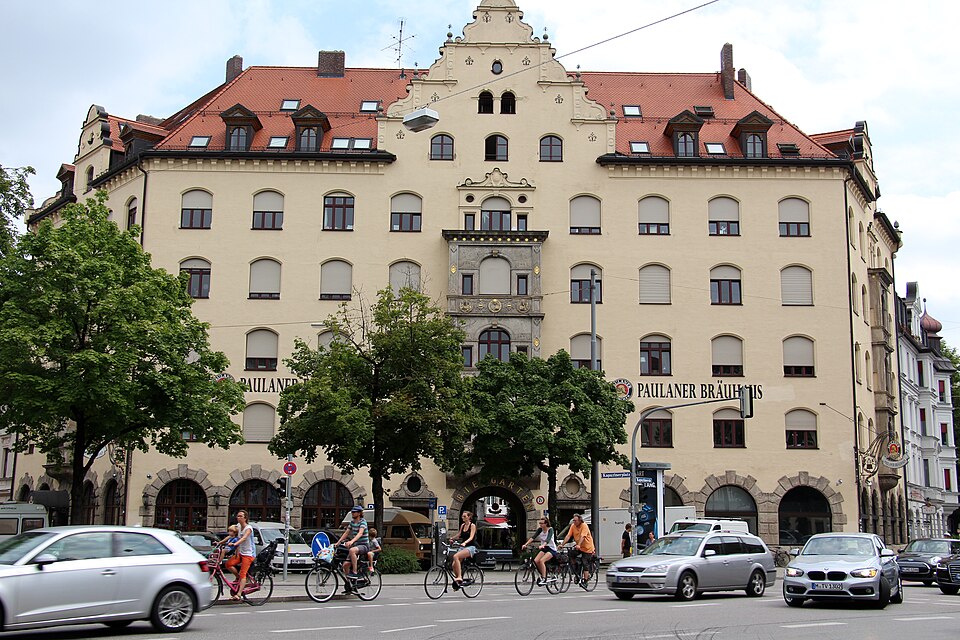
The Paulaner Bräuhaus embodies traditional Bavarian brewery architecture. The current building, constructed in neo-Renaissance style, features characteristic Munich brewery elements including a copper-clad brewhouse visible through large windows, vaulted beer cellars, and a sprawling beer garden.
The structure maintains traditional proportions with its three-story main building, distinctive gabled roof, and decorative façade featuring the brewery's coat of arms. The interior preserves wooden beams, tile work, and traditional brewing equipment on display.
Location:Kapuzinerplatz 5, Munich, Bavaria, Germany
Status:Active brewery and restaurant
Original Construction:Current building dates to 1889
5. Anchor Brewing Company – San Francisco, USA
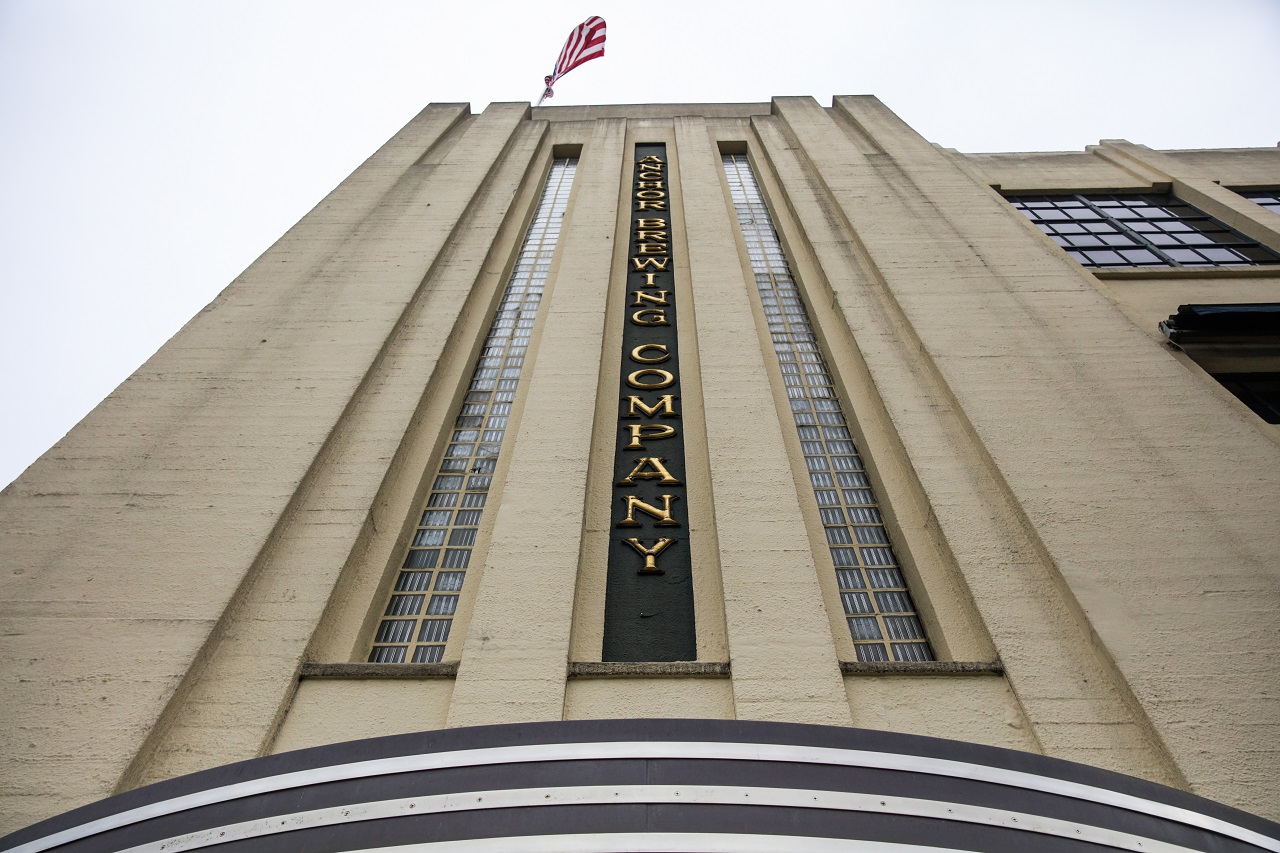
The Anchor Brewery occupies a converted coffee warehouse in San Francisco's Potrero Hill neighborhood. The brick industrial building, dating to 1937, represents American urban industrial architecture with its rectangular form, steel-framed windows, and utilitarian design.
The three-story structure features exposed brick walls, wooden beam ceilings, and large windows that flood the brewing floor with natural light. The rooftop deck offers views of the San Francisco sky
Location:1705 Mariposa Street, San Francisco, California, USA
Status:Operations ceased in 2024
Original Construction:1937 (converted to brewery 1979)
6. Bass Brewery – Burton Upon Trent, England
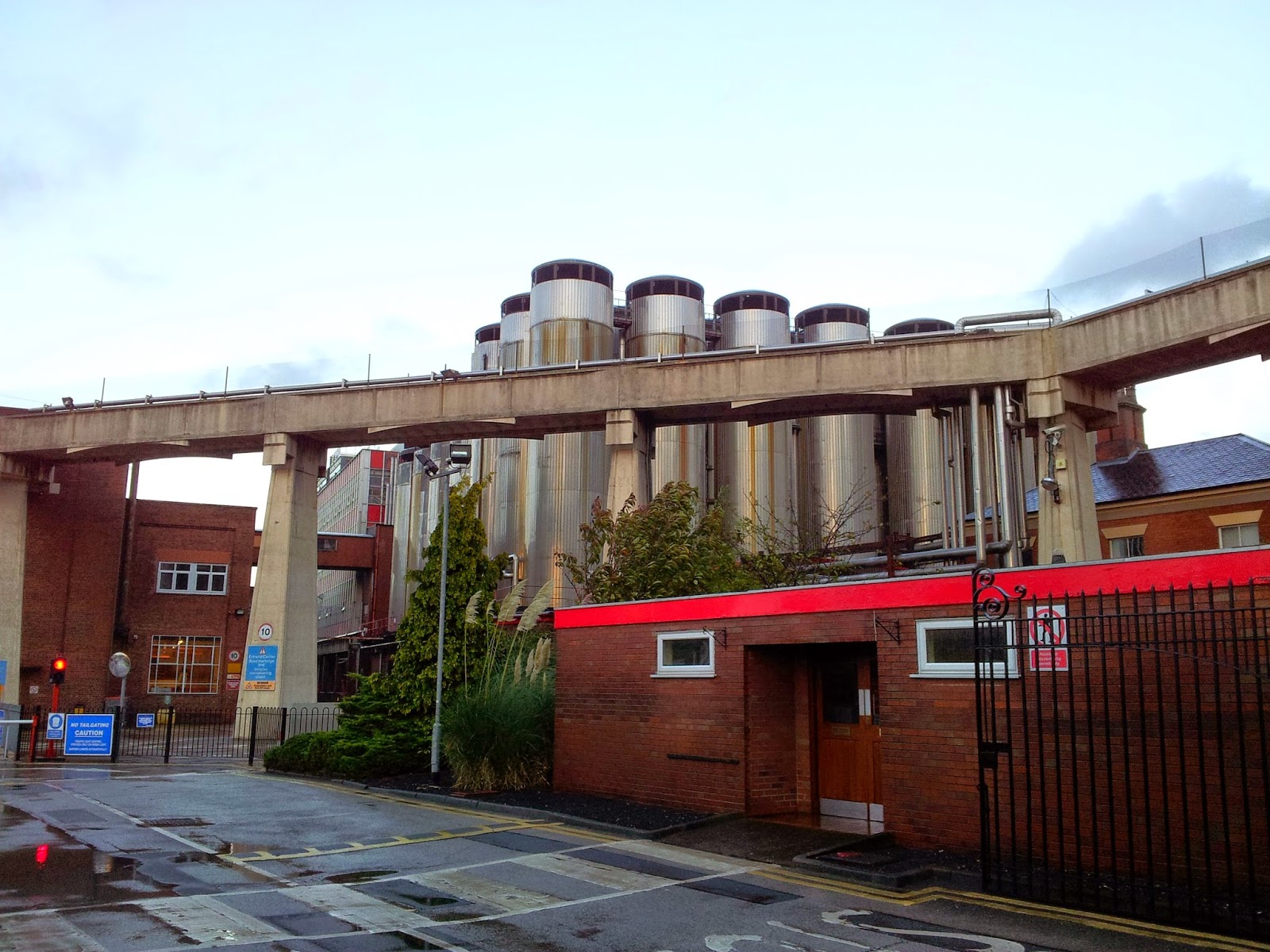
The Bass Brewery complex dominated Burton upon Trent's skyline for over two centuries. The Victorian-era buildings feature distinctive red brick construction, multiple tall chimneys, and massive brewing halls. The complex once covered over 100 acres, making it one of the world's largest breweries.
The architectural highlight is the ornate former office building with its clock tower, arched entrances, and decorative stonework. The brewery utilized Burton's unique water quality and featured extensive railway connections built directly into the complex.
Location:Burton upon Trent, Staffordshire, England
Status:Partially demolished, some buildings converted (brewing continues at reduced scale)
Original Construction:1777, major expansions 1860s-1880s
7. Pilsner Urquell Brewery – Plzeň, Czech Republic
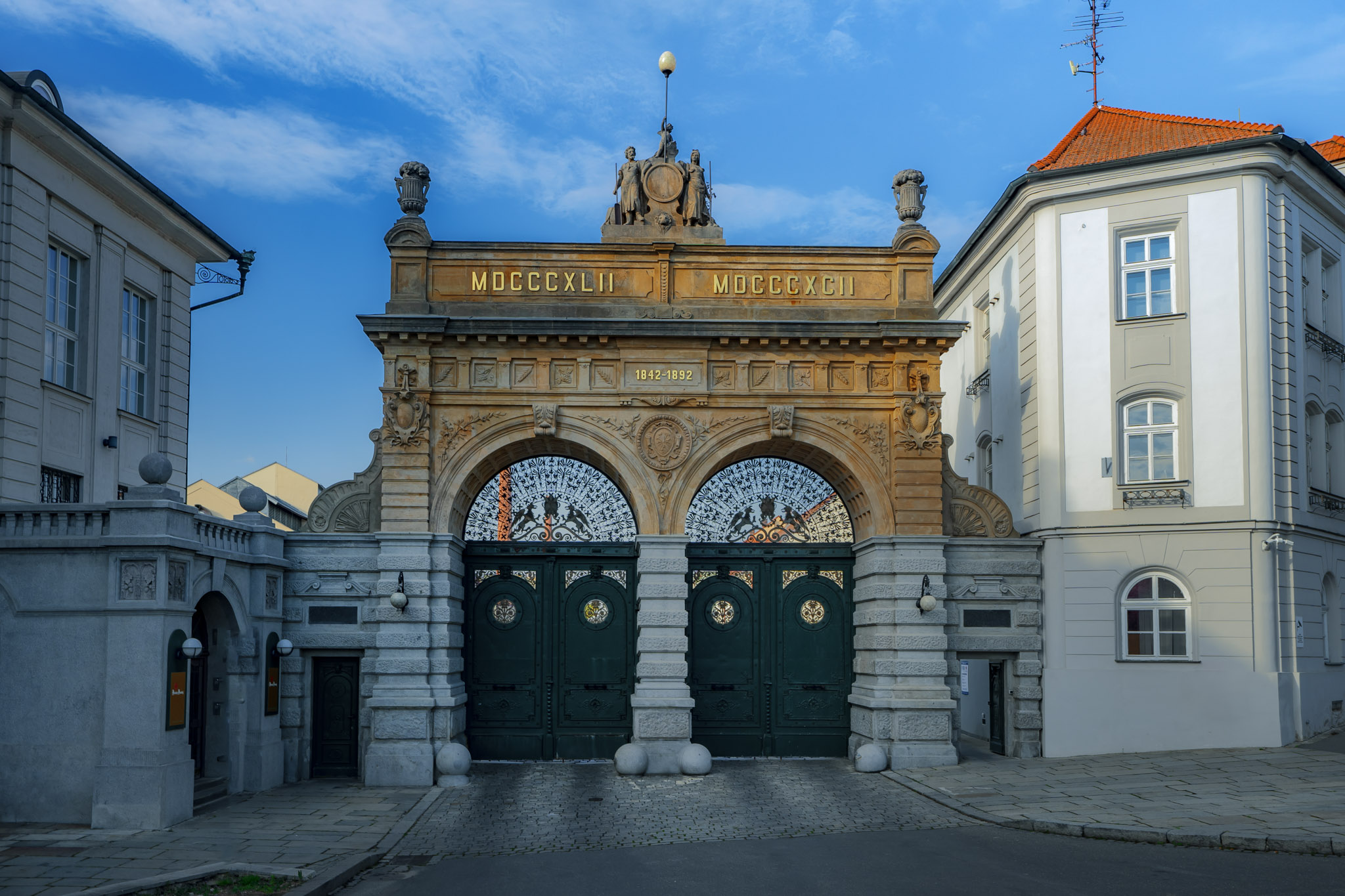
The Pilsner Urquell Brewery complex showcases 19th-century Bohemian industrial architecture. The distinctive gate house features neo-Renaissance styling with decorative gables and the famous Pilsner logo.
The brewhouse building combines functionality with aesthetic appeal through arched windows, brick detailing, and a central tower. The historic cellars maintain constant temperatures naturally through their limestone construction.
Location:U Prazdroje 7, Plzeň, Czech Republic
Status:Active brewery with visitor center
Original Construction:1842
8. Sapporo Beer Museum – Sapporo, Japan
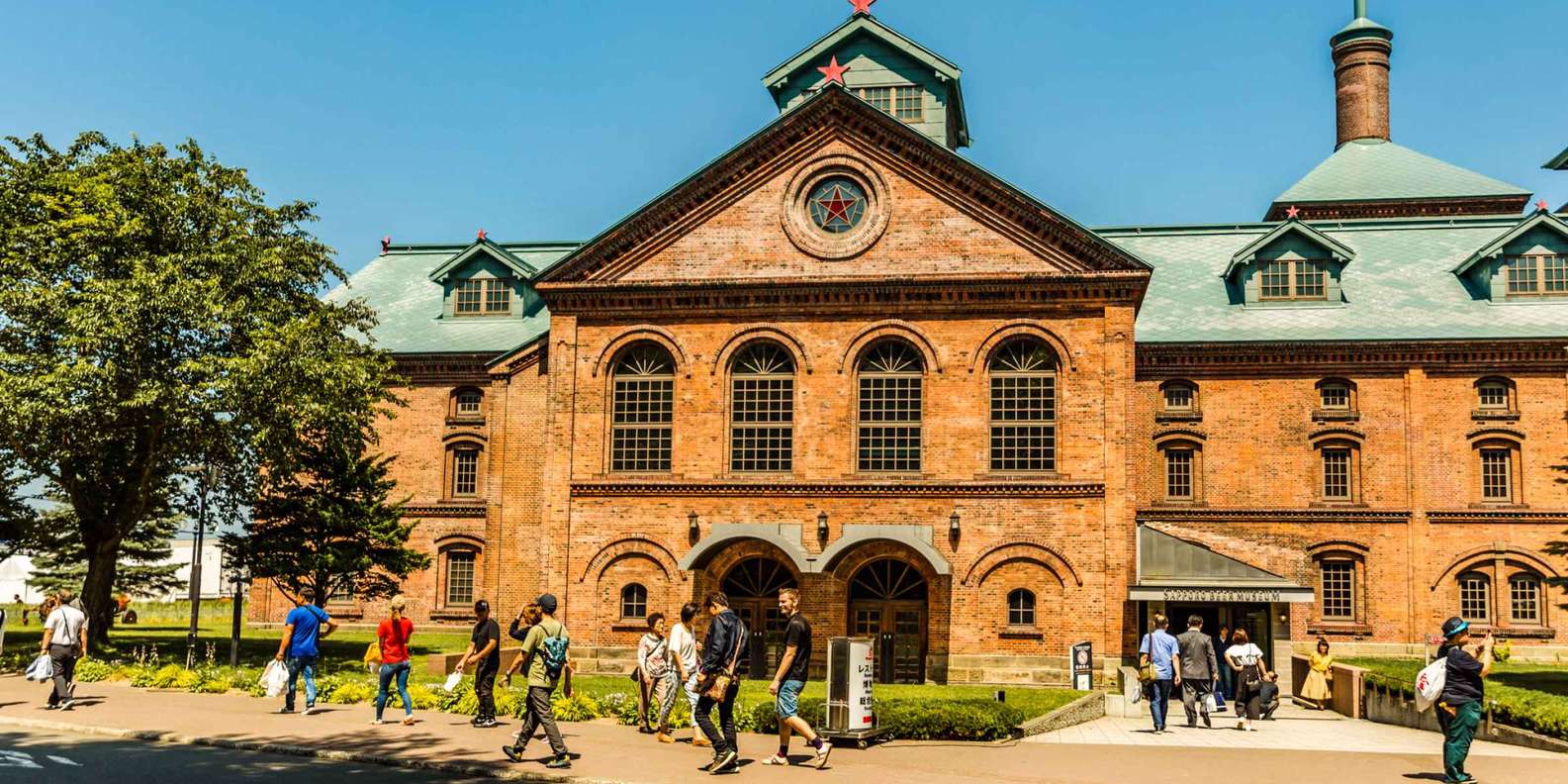
The Sapporo Beer Museum occupies a striking red brick building that exemplifies Meiji-era Western-influenced Japanese architecture. Originally built as a sugar factory, the structure features distinctive star-shaped architectural elements, a steep-pitched roof to handle heavy snow, and large arched windows.
The three-story building combines European architectural influences with practical design for Hokkaido's climate. Interior spaces preserve original wooden beams, brick walls, and brewing equipment displays.
Location:9-2-10 Kita 7-jo Higashi, Higashi-ku, Sapporo, Hokkaido, Japan
Status:Museum and tasting room
Original Construction:1890 (converted to brewery building 1903, museum opened 1987)
9. Tsingtao Brewery Museum – Qingdao, China
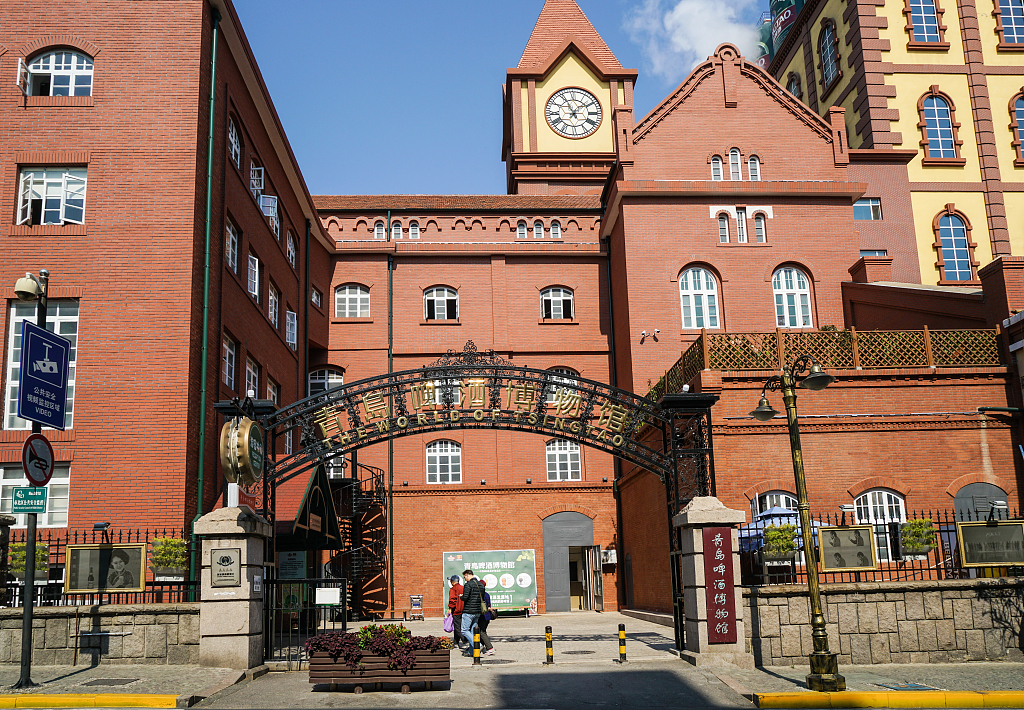
The Tsingtao Brewery Museum occupies the original German-built brewery buildings. The complex showcases German colonial architecture with Bavarian-influenced design elements including steep roofs, timber framing details, and a distinctive brewery tower.
The stone and brick buildings demonstrate early 20th-century European brewery design adapted for Chinese conditions. The complex includes the original brewhouse, fermentation halls, and administrative buildings surrounding courtyards.
Location:56 Dengzhou Road, Shibei District, Qingdao, Shandong, China
Status:Museum with active brewing in adjacent modern facilities
Original Construction:1903
10. Brooklyn Brewery – Brooklyn, New York, USA
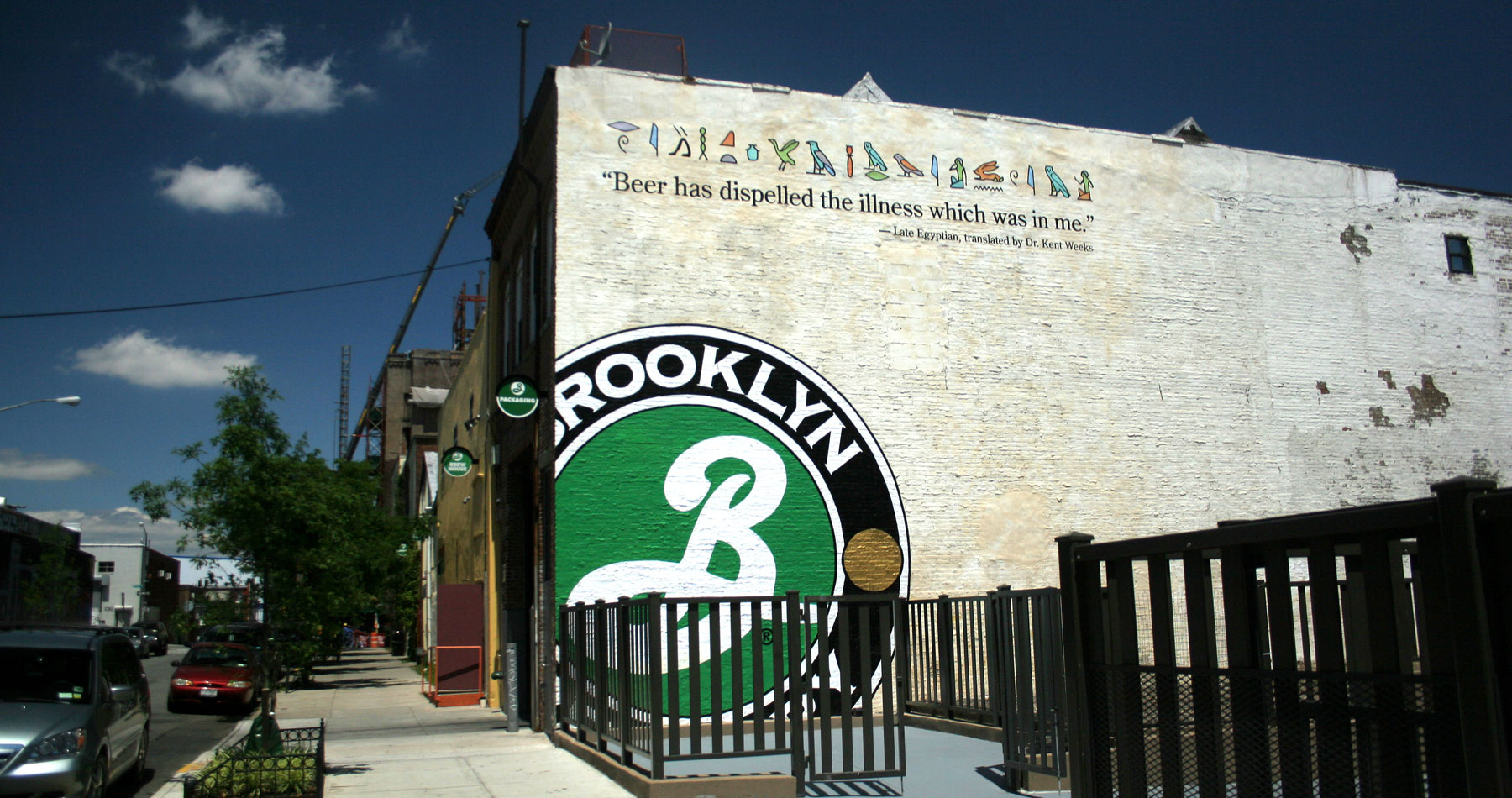
Brooklyn Brewery inhabits a former matzo factory in Williamsburg. The industrial building epitomizes New York's manufacturing heritage with its steel frame, brick walls, and large factory windows. The architecture reflects early 20th-century urban industrial design with efficient, no-frills construction.
The two-story structure features an open floor plan with exposed beams, ductwork, and brewing equipment integrated into the space. The tasting room maintains the raw industrial aesthetic while creating a welcoming atmosphere.
Location:79 North 11th Street, Brooklyn, New York, USA
Status:Active brewery and taproom
Original Construction:1916 (converted to brewery 1996)
11. Weihenstephan Brewery – Freising, Germany
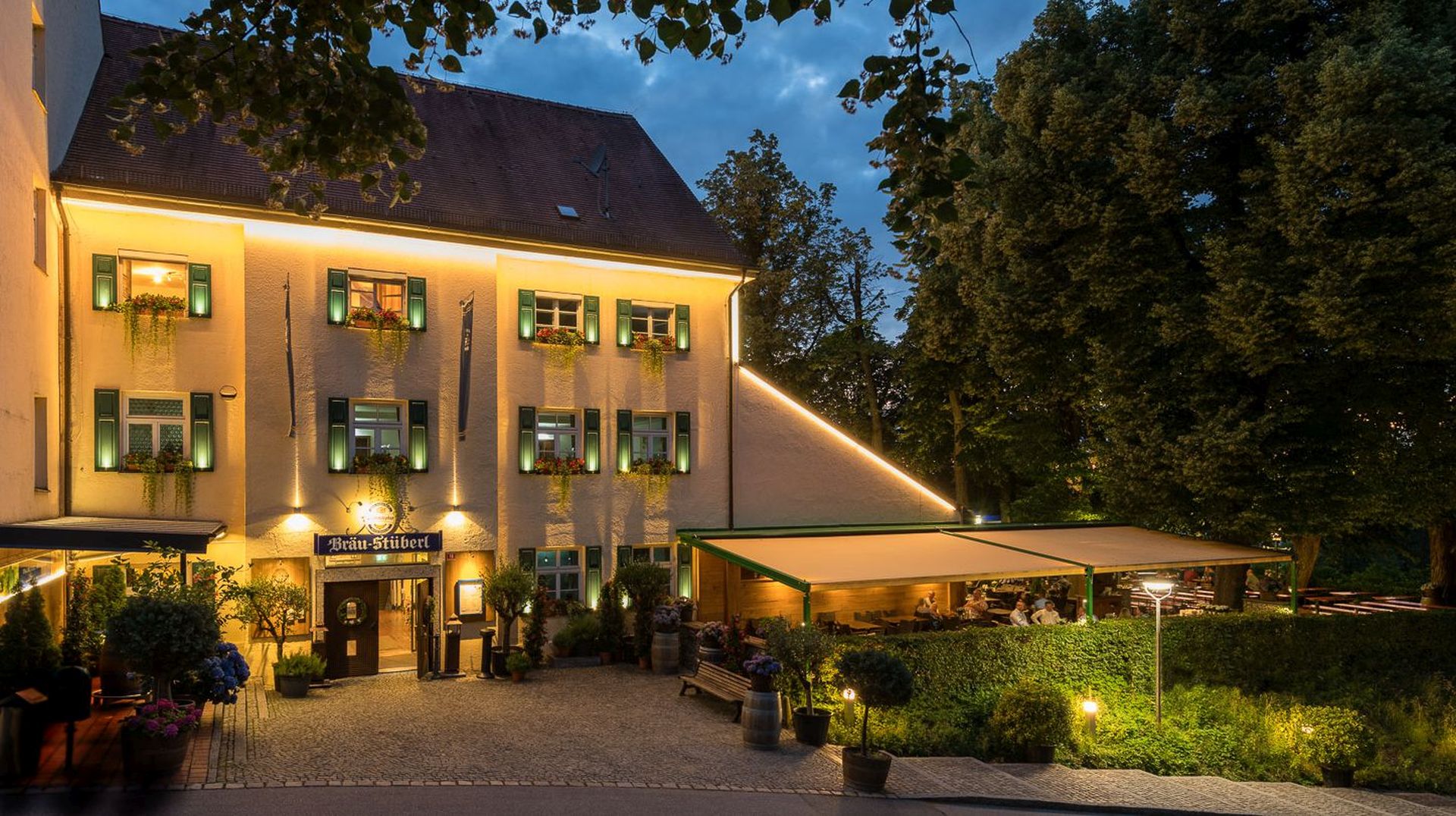
Weihenstephan claims to be the world's oldest continuously operating brewery, and its buildings reflect nearly a millennium of brewing tradition. The complex combines medieval monastery structures with Baroque additions and modern brewing facilities.
The historic core features thick stone walls, vaulted cellars, and architecture dating to the Benedictine abbey's founding. The baroque church and monastery buildings overlook the brewing operations. Modern additions respect the historical context while incorporating cutting-edge brewing technology.
Location:Alte Akademie 2, Freising, Bavaria, Germany
Status:Active brewery and university brewing program
Original Construction:Abbey founded 1040, current buildings date from various periods
12. Coopers Brewery – Adelaide, Australia
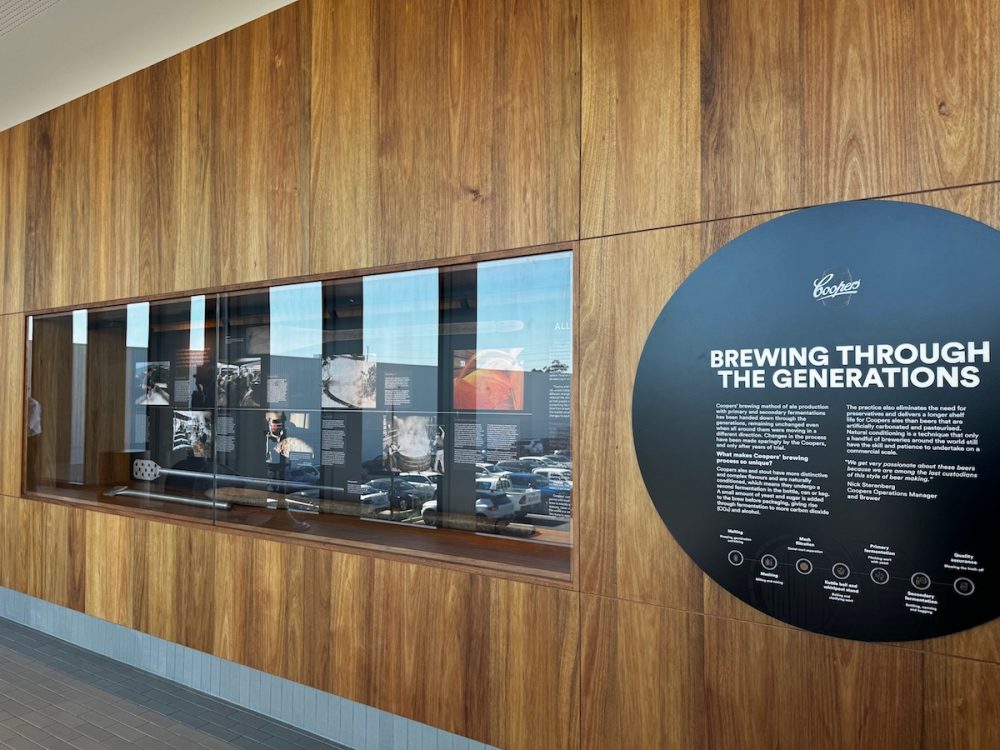
The Coopers Brewery complex represents Australian industrial heritage with its distinctive red brick buildings. The original structures feature Victorian-era industrial architecturewith gabled roofs, tall windows, and decorative brickwork patterns.
The site has grown organically over 160 years, blending historic buildings with modern facilities. The visitor center occupies the original 1880s brewhouse, preserving wooden fermentation barrels and copper kettles.
Location:461 South Road, Regency Park, Adelaide, South Australia
Status:Active family-owned brewery with visitor center
Original Construction:1862, major expansion 1880s
13. Stella Artois Brewery – Leuven, Belgium
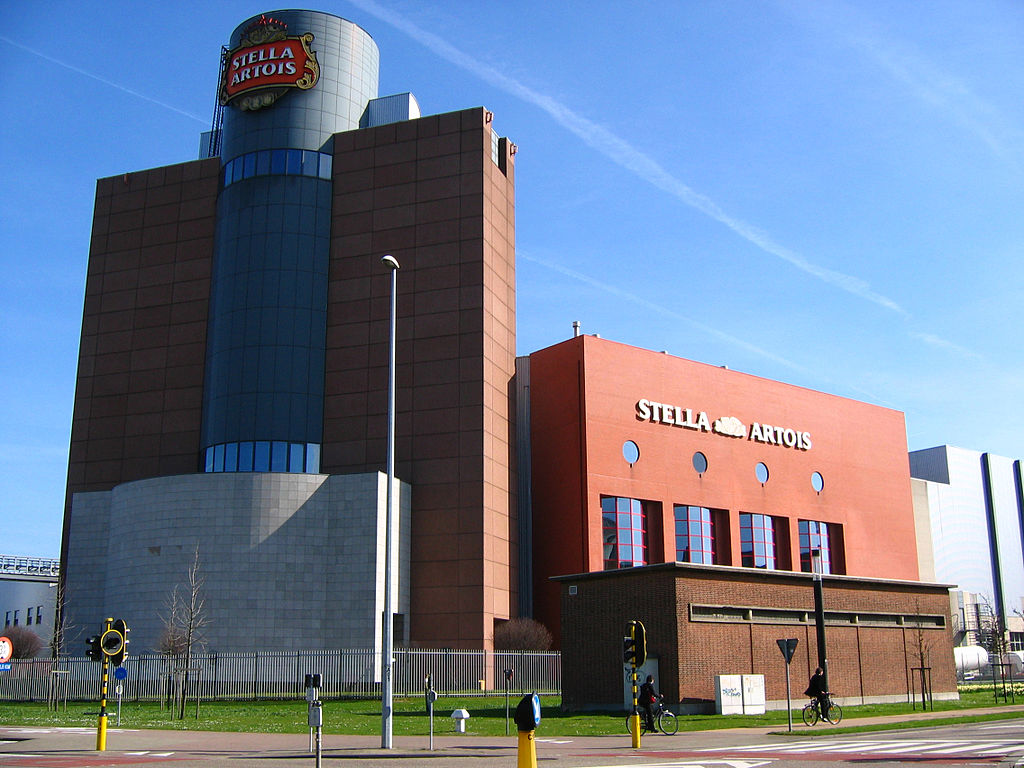
The Stella Artois Brewery in Leuven (Den Hoorn Brewery) dates back to 1366, making it one of Europe's oldest brewery sites. The complex blends medieval architecture with industrial expansion from multiple centuries.
Historic buildings feature Flemish brick construction, stepped gables, and arched cellars. The site includes Renaissance-era structures alongside 19th-century industrial halls. The brewery tower and gates feature decorative stonework and the iconic Stella Artois branding.
Location:Vaartstraat 94, Leuven, Flemish Brabant, Belgium
Status:Active brewery (major production moved; site maintains brewing and hospitality)
Original Construction:1366 (Den Hoorn brewery), rebuilt and expanded over centuries
14. Samuel Adams Boston Brewery – Boston, USA
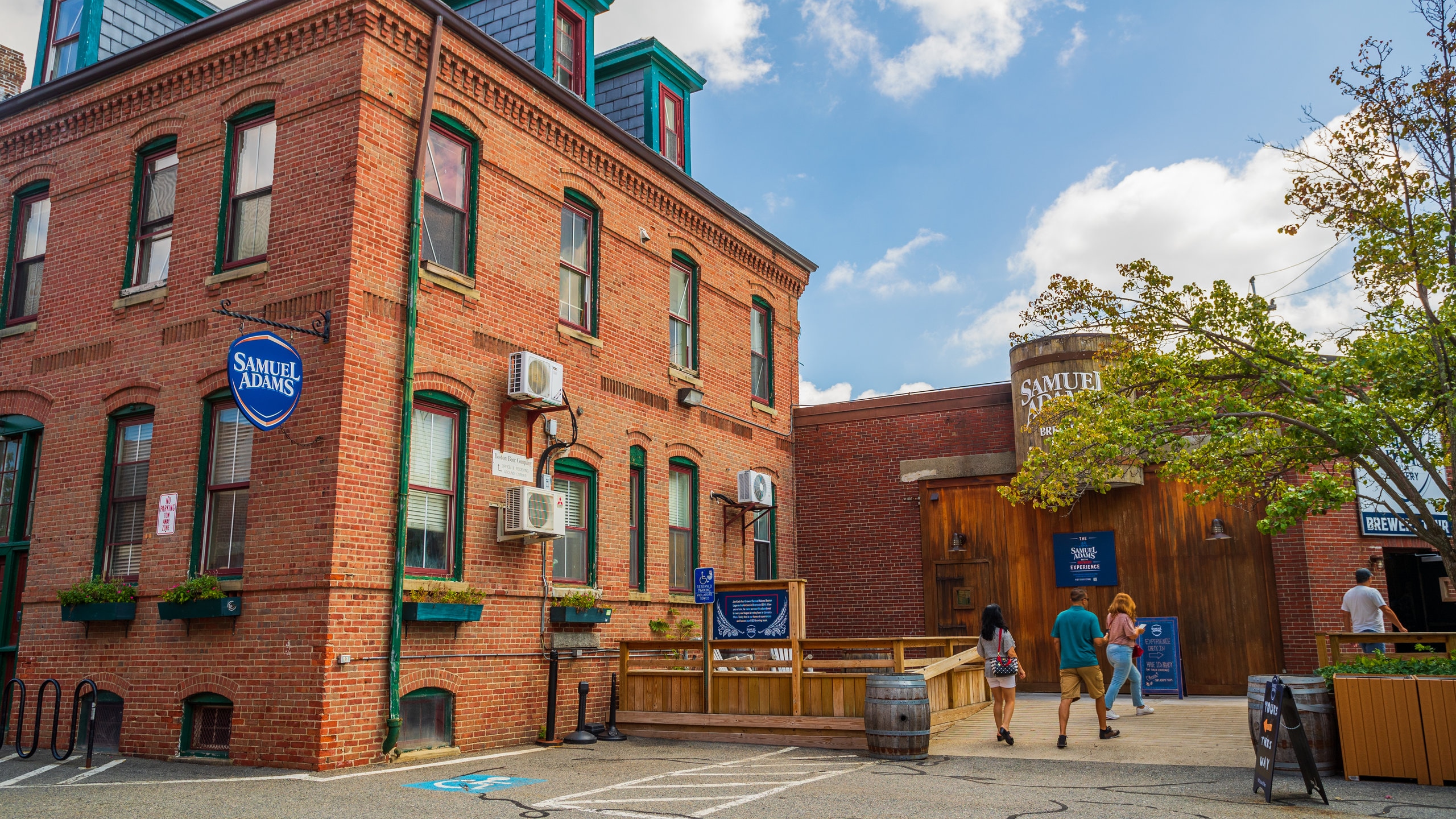
The Samuel Adams Jamaica Plain brewery occupies a historic German-style lager brewery built during Boston's brewing golden age. The Romanesque Revival brick building features a distinctive tower, arched windows, and decorative stonework.
The four-story structure showcases late 19th-century American brewery architecture influenced by German designs. Interior spaces preserve original tile work, brick arches, and wooden beams. The copper brewhouse maintains traditional aesthetics while functioning as an active pilot brewery.
Location:30 Germania Street, Jamaica Plain, Boston, Massachusetts, USA
Status:Active pilot brewery and taproom
Original Construction:1870s (Haffenreffer Brewery)
15. Fuller's Griffin Brewery – London, England
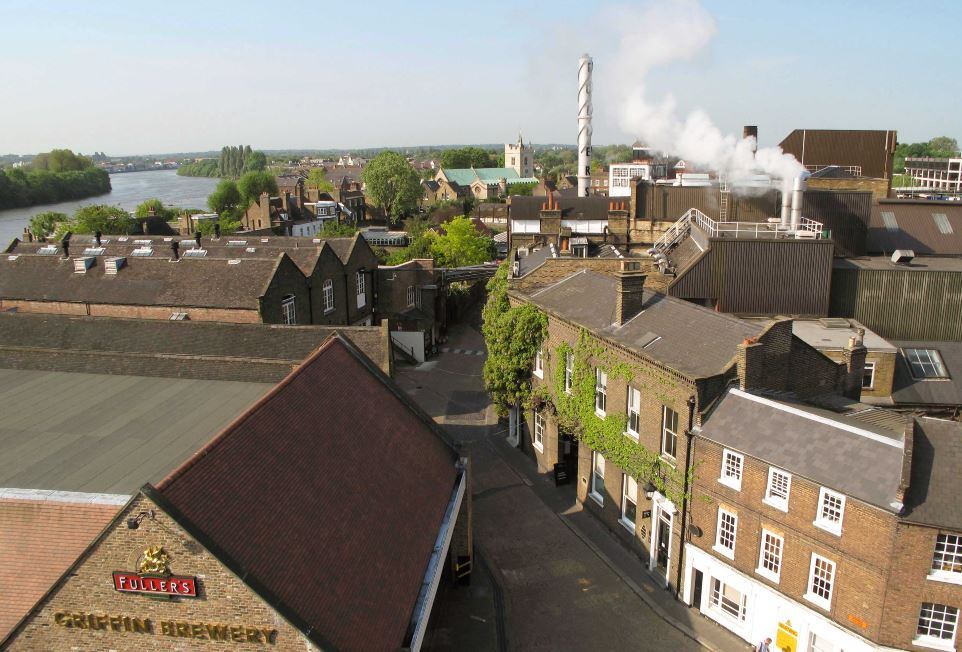
Fuller's Griffin Brewery represents continuous brewing on the same site since 1654, though current buildings date primarily from the Victorian era. The complex features distinctive London brewery architecture with red and yellow brick facades, decorative stonework, and a prominent brewery tower.
The buildings cluster around courtyards in typical English brewery fashion. Architectural highlights include the Victorian brewhouse with its copper vessels visible through tall windows, the malt store, and the former stables. The complex integrates seamlessly into the Chiswick neighborhood.
Location:Chiswick Lane South, Chiswick, London, England
Status:Active brewery with tours (acquired by Asahi Group 2019)
Original Construction:Various buildings from 1800s-early 1900s
16. Erdinger Weißbräu – Erding, Germany
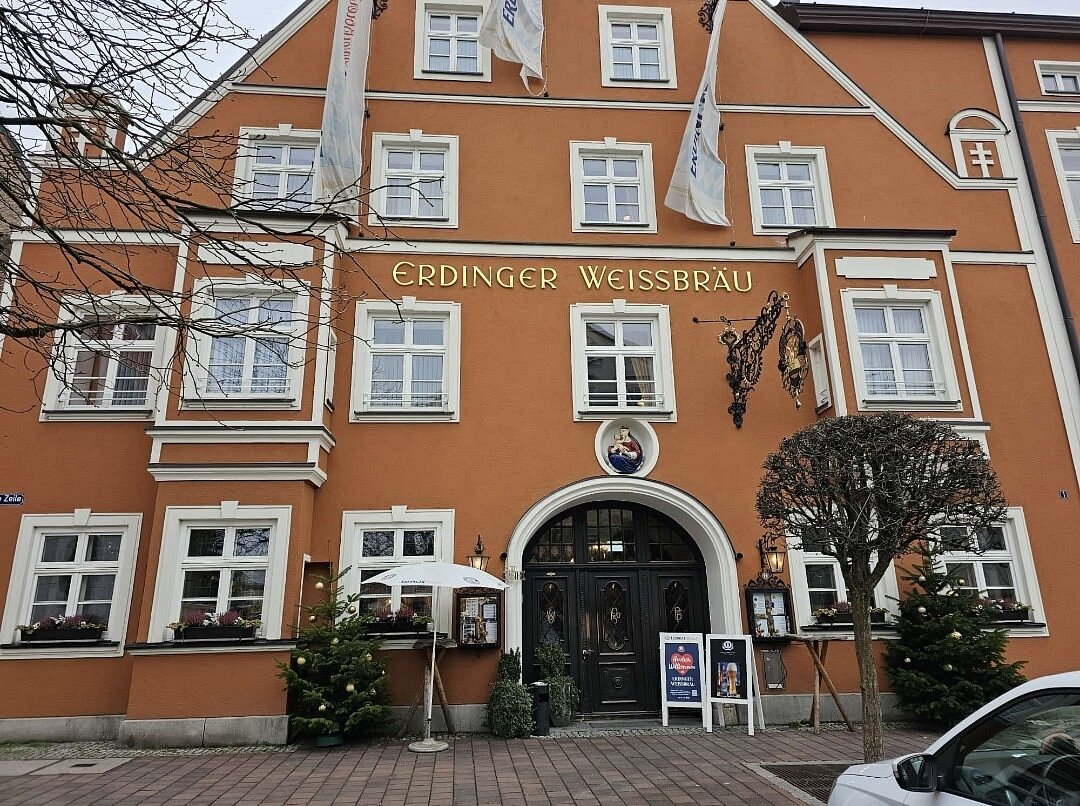
The Erdinger brewery complex combines traditional Bavarian architecture with modern facilities. The iconic entrance building features a distinctive copper-clad tower, white walls with dark timber accents, and traditional Bavarian decorative elements.
The complex includes a striking modern brewhouse with floor-to-ceiling windows showcasing gleaming copper vessels. The architecture balances historical brewery design elements with contemporary functionality. The visitor center and museum occupy buildings that demonstrate traditional wheat beer brewing heritage.
Location:Lange Zeile 1-3, Erding, Bavaria, Germany
Status:Active brewery with visitor facilities
Original Construction:Modern complex (company founded 1886, current facilities 20th century)
17. Molson Brewery – Montreal, Canada
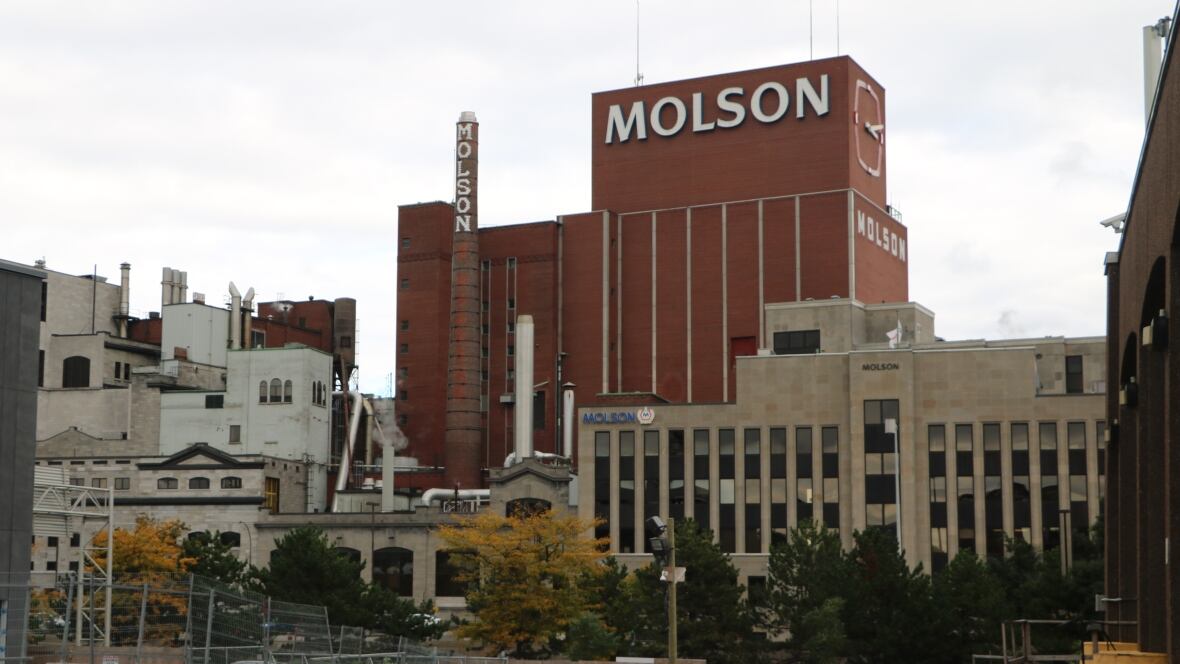
The Molson Brewery site along the St. Lawrence River represents Canada's brewing heritage since 1786. The complex evolved from small-scale operations to massive industrial facilities. Historic buildings feature limestone construction typical of old Montreal, while later additions showcase 19th and 20th-century industrial architecture.
The brewery tower stands as a Montreal landmark. The site includes buildings spanning three centuries, demonstrating the evolution of North American brewing architecture. Recent developments have incorporated residential and commercial spaces while preserving historic structures.
Location:1555 Notre-Dame Street East, Montreal, Quebec, Canada
Status:Active brewery with adjacent redevelopment
Original Construction:1786, continuous expansion and rebuilding
18. La Trappe Brewery – Berkel-Enschot, Netherlands
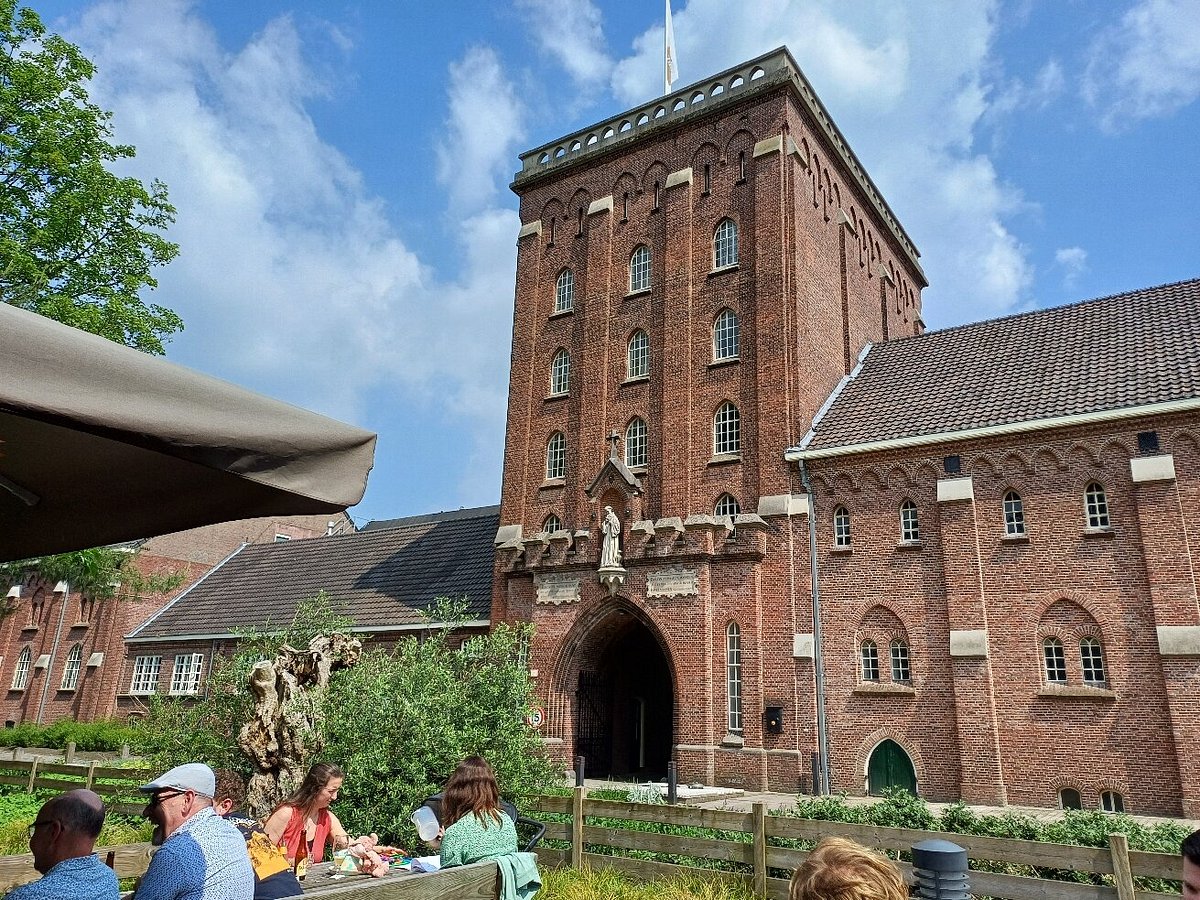
La Trappe Brewery operates within the Koningshoeven Abbey, a Trappist monastery. The brewery buildings combine 19th-century monastic architecture with functional brewing spaces. Stone and brick construction features simple, austere design reflecting monastic values.
The complex includes the abbey church, cloisters, and brewery buildings arranged around courtyards. The modern brewhouse integrates respectfully with historic structures. The architecture emphasizes tradition, simplicity, and the connection between monastic life and brewing.
Location:Eindhovenseweg 3, Berkel-Enschot, Netherlands
Status:Active Trappist brewery within working monastery
Original Construction:Abbey founded 1881, brewery formalized 1884
19. Stone Brewing World Bistro & Gardens – Escondido, USA
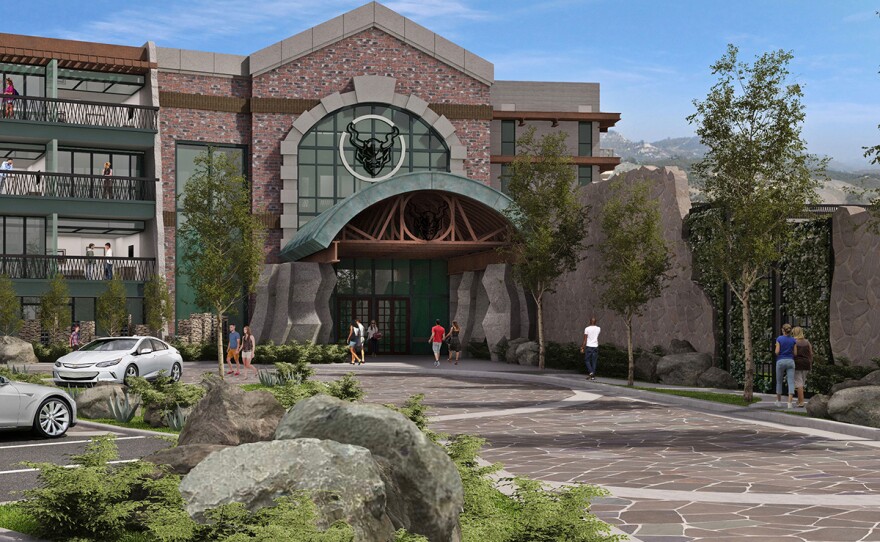
The Stone Brewing facility represents 21st-century craft brewery architecture. The complex features indoor-outdoor design with extensive gardens, water features, and sustainable building practices. Architecture emphasizes openness and connection to landscape.
The brewhouse showcases brewing as theater with glass walls allowing visitors to observe operations. Buildings use natural materials including stone, wood, and metal. The sustainable design and advanced brewing systems at Stone Brewing reflect modern technology trends in the distilling industry, where efficiency, automation, and environmental responsibility go hand in hand with craftsmanship.
Location:1999 Citracado Parkway, Escondido, California, USA
Status:Active brewery, restaurant, and gardens
Original Construction:2006
20. Hofbräuhaus München – Munich, Germany
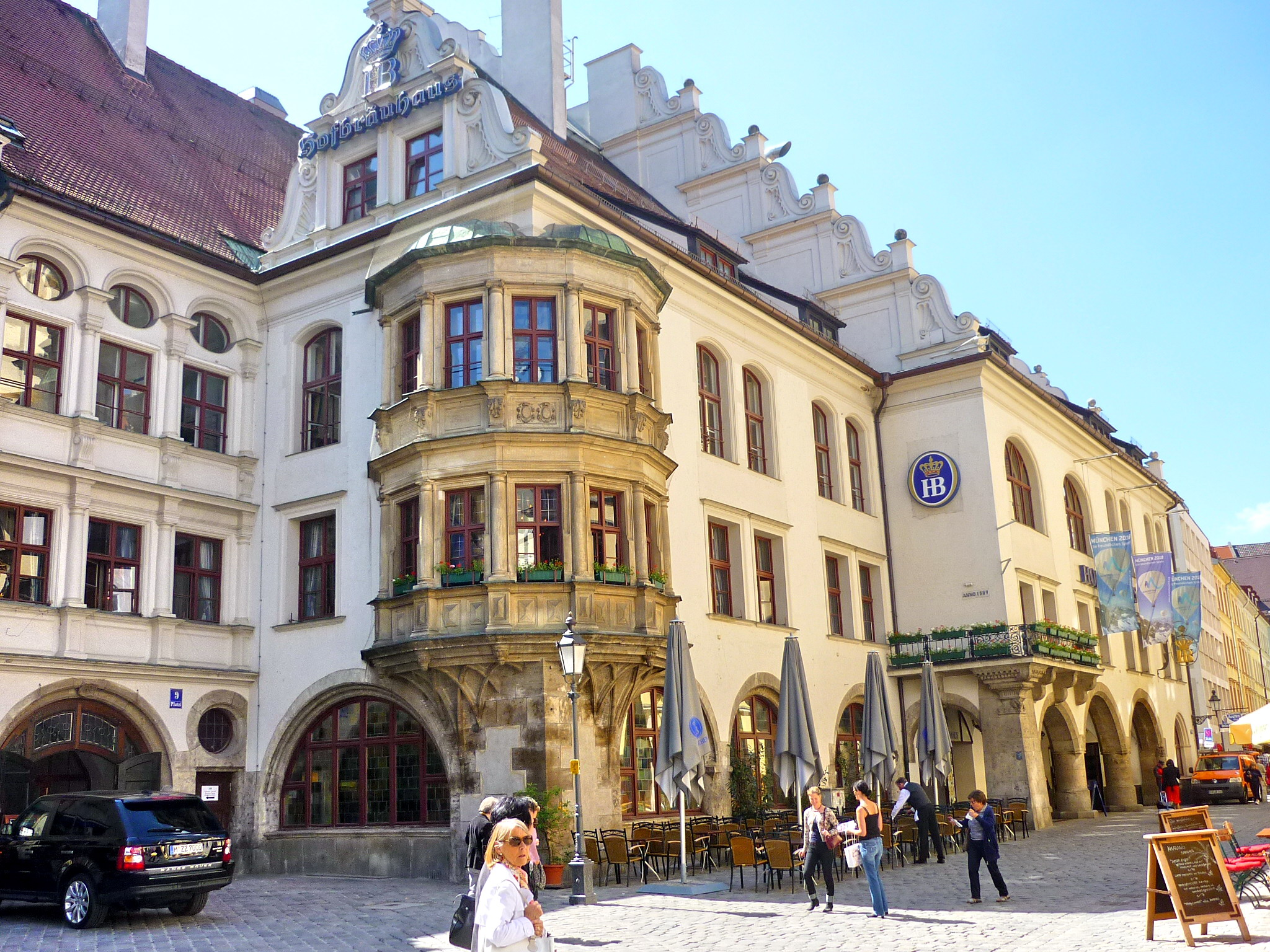
The Hofbräuhaus München stands as perhaps the world's most famous beer hall. The current Renaissance Revival building dates to the late 19th century. The imposing five-story structure features distinctive architecture with arched colonnades, decorative façades, and a grand entrance. The vast beer halls were designed with excellent architectural acoustics, ensuring that live music and communal singing could fill the grand space without overwhelming guests.
The interior includes multiple halls with vaulted ceilings decorated with colorful frescoes, ornate plasterwork, and traditional Bavarian motifs. The ground-floor Schwemme (main hall) accommodates over 1,000 guests. While brewing moved elsewhere in 1988, the building remains integral to Munich's brewing culture.
Location:Platzl 9, Munich, Bavaria, Germany
Status:Beer hall and restaurant (brewing operations relocated)
Original Construction:Current building 1897 (original brewery founded 1589)
FAQs About Famous Brewery Buildings
What Is The Oldest Brewery Building Still In Operation?
Weihenstephan Brewery in Freising, Germany claims the title of the world's oldest continuously operating brewery, with roots dating to 1040 when Benedictine monks established brewing operations.
Can You Visit These Famous Brewery Buildings?
A few have restricted access but can be viewed externally. Working breweries typically offer scheduled tours requiring advance booking.
Which Brewery Building Has The Most Impressive Architecture?
Architectural impressiveness depends on personal preferences, but several buildings stand out. Each represents excellence within different architectural traditions and historical periods.
Are These Brewery Buildings Protected As Historical Landmarks?
Many famous brewery buildings hold official heritage protection status. Protection levels vary by country and local regulations, but most significant brewery architecture receives some formal recognition preventing demolition or inappropriate alterations.
How Did Breweries Become Tourist Attractions?
Brewery tourism evolved from several converging factors. Heritage preservation movements in the 1970s-80s recognized industrial architecture's cultural value. Simultaneously, experience-based tourism grew as travelers sought authentic connections to production and culture.
Can You Host Events At Famous Brewery Buildings?
Many brewery buildings offer event hosting in their historic spaces. Guinness Storehouse, Heineken Experience, and similar attractions provide private event packages including exclusive access to historic halls, courtyards, or rooftop spaces.
Conclusion
The brewery buildings discussed here are more than old industrial sites. These structures show the long journey of brewing and how practical buildings can also become architecturally important. As craft brewing continues expanding globally, new brewery buildings will emerge with potential to join this list of famous structures. Yet these historic landmarks remind us that great brewery architecture requires time to develop significance beyond aesthetics.