20 Distilling Safety Tips For Home Brewers | Beginner To Pro Guide
Essential Distilling Safety Tips Every Home Brewer Must Know
Home distilling transforms simple ingredients into craft spirits, but this rewarding hobby comes with serious risks. Every year, distillers face dangers ranging from methanol poisoning to explosive fires, often from preventable mistakes.
The difference between a successful distilling session and a trip to the emergency room comes down to following proven safety practices. Many new distillers underestimate the hazards involved, assuming that basic brewing knowledge translates directly to distilling safety.
Here are 20 critical safety tips that protect both you and your family. These aren't just suggestions; they're essential practices developed from decades of distilling experience and hard-learned lessons from the community.
1. Choose The Right Location For Your Still
Always distill in a well-ventilated area, preferably outdoors. Indoor distilling needs proper engineering and ventilation systems that most home setups lack. Anyone learning how to start a distillerywill quickly discover that picking the right location is just as important as the equipment itself.
Your distilling site should have concrete floors that won’t catch fire, multiple exit routes in case of emergency, and be free from ignition sources like pilot lights or electrical equipment. Avoid basements or enclosed spaces, as they can trap dangerous vapors. Set up your still at least 10 feet from any building and away from neighbors’ properties to maintain safe buffer zones and reduce legal risks.
2. Ensure Proper Ventilation Throughout The Process
Well-ventilated areas help disperse harmful vapors, reduce the risk of inhaling fumes, and prevent the buildup of flammable gases. Natural airflow often isn't enough during active distillation.
Leave a door and a window open so fresh air can move through the area, avoiding small distilling rooms where fumes could build and cause respiratory problems. Cross-ventilation creates the air movement needed to prevent dangerous vapor concentrations.
Install mechanical ventilation fans if distilling indoors. These should move at least 100 cubic feet per minute and continue running for 30 minutes after distillation ends.
3. Install Multiple Fire Extinguishers In Strategic Locations
Place Class B fire extinguishers designed for flammable liquids within 15 feet of your still. Regular ABC extinguishers can spread burning alcohol, making fires worse instead of better.
Keep a minimum of two extinguishers, one near your heat source and another by your exit route. Check expiration dates monthly and replace units before they expire.
Learn how to use fire extinguishersproperly before you need them. The PASS method (Pull, Aim, Squeeze, Sweep) becomes difficult to remember during emergencies.
4. Create Emergency Action Plans
Write down specific steps for different emergency scenarios, including fires, equipment failures, and injury situations. Post these instructions where anyone helping you can see them.
Identify the fastest route to emergency medical care and keep those contact numbers easily accessible. Rural distillers especially need clear directions to their location for emergency responders.
Practice emergency procedures with family members who might need to help during accidents. They should know how to shut off heat sources and call for help without endangering themselves.
5. Inspect All Equipment Before Every Distilling Session
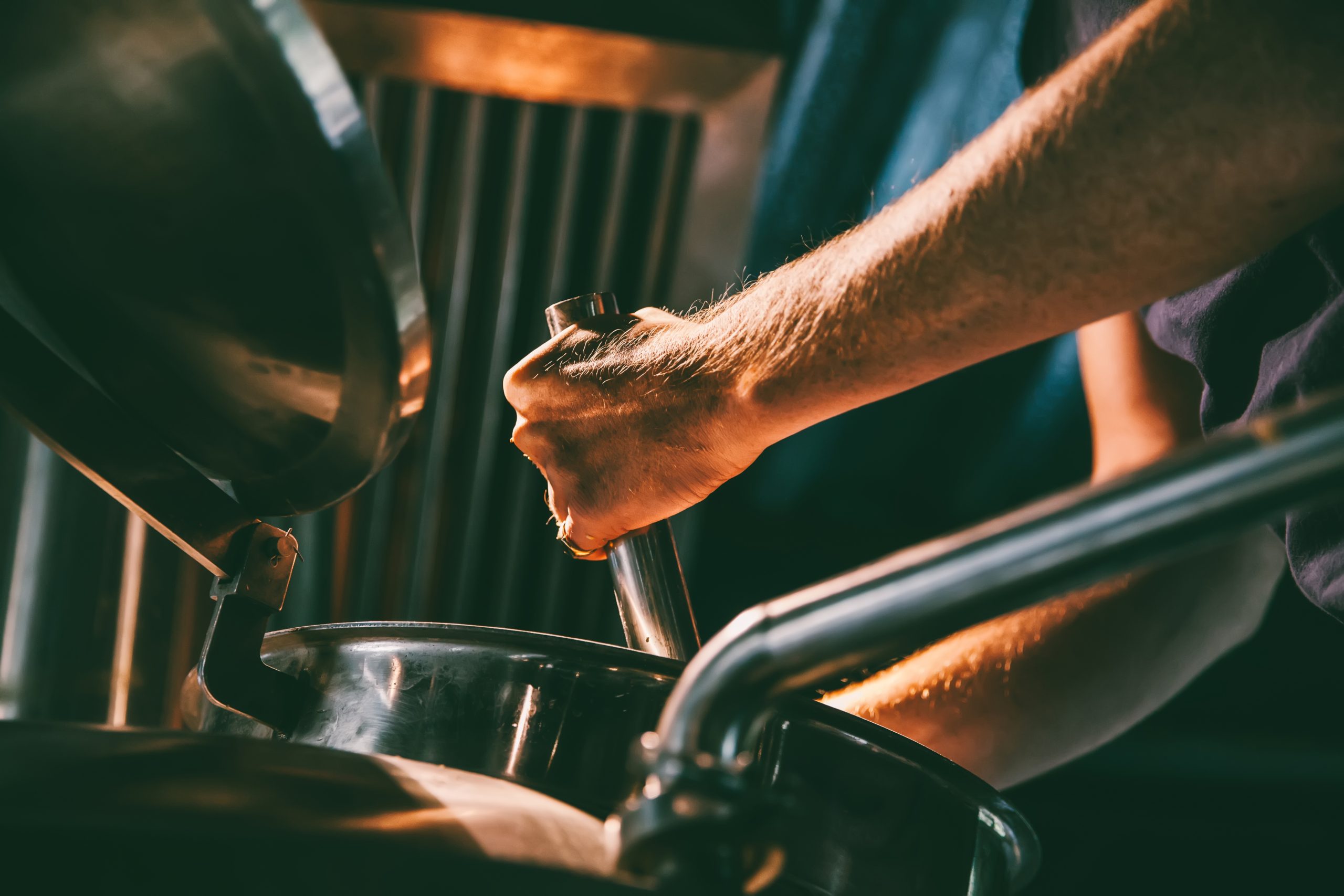
Check your equipment carefully before each run, ensuring all openings and pathways are clear and valves work properly. This inspection helps prevent most equipment-related accidents. If you’re new to distilling, learning how to choose the right distilling equipmentcan also make your setup safer and more efficient.
Look for cracks in copper tubing, loose connections in cooling systems, and wear on gaskets or seals. Replace any questionable components instead of risking a failure mid-operation. Always test your cooling water system before applying heat, as cooling failures can cause dangerous pressure buildup and serious equipment damage.
6. Stay Hydrated And Take Regular Breaks
Drink plenty of water throughout your distilling session to prevent dehydration from heat exposure and alcohol vapors. Dehydration makes you more susceptible to vapor effects and impairs your judgment during critical safety decisions.
Take breaks every 30-45 minutes to step away from the distilling area and breathe fresh air. These breaks help clear alcohol vapors from your system and allow you to assess your condition objectively.
Use break times to check your hydration level and overall alertness. If you feel tired, dizzy, or less focused than when you started, extend your break or consider stopping for the day.
7. Maintain Proper Pressure Relief Systems
Install pressure relief valves rated for your system's maximum operating pressure. These safety devices prevent catastrophic failures that can destroy equipment and cause injuries.
Never plug or disable pressure relief mechanisms, even temporarily. The inconvenience of minor vapor leaks pales compared to dealing with exploding equipment.
Test pressure relief valves monthly by gently lifting the release mechanism. If they don't operate smoothly, replace them immediately.
8. Monitor Temperature Controls Throughout The Process
Ensure your thermometer is accurate, and always watch for any signs of overheating or problems with your equipment. Temperature control prevents both safety hazards and product quality issues.
Use multiple thermometers to cross-check readings. Digital thermometers with alarms help prevent overheating when you're monitoring other aspects of the distillation.
Calibrate thermometers regularly using boiling water tests. Inaccurate temperature readings lead to poor cuts and potential safety problems.
9. Eliminate All Ignition Sources Near Your Still
Remove cigarettes, matches, pilot lights, and electrical equipment from your distilling area. Alcohol vapors ignite from sources you might not consider dangerous.
Use intrinsically safe electrical equipment rated for hazardous environments. Standard electrical switches and outlets can create sparks that ignite vapors.
Keep static electricity discharge tools nearby. Wool clothing and plastic containers can build up static charges sufficient to ignite alcohol vapors.
10. Install Carbon Monoxide And Smoke Detectors Near Your Distilling Setup
Place smoke detectors within 15 feet of your distilling area but not directly above heat sources where normal operation might trigger false alarms. Early smoke detection provides crucial warning time for fire emergencies.
Install carbon monoxide detectors if using gas heating equipment or distilling in enclosed areas. Carbon monoxide poisoning symptoms mimic alcohol vapor exposure but require different emergency responses.
Test detector batteries monthly and replace units according to manufacturer recommendations. Dead batteries eliminate the protection these devices provide during emergencies.
11. Store Distillate In Proper Containers
Use glass collection vessels rather than plastic containers that can build static charges or react with high-proof spirits. Glass also allows visual inspection of your cuts.
Keep collection containers covered when not actively collecting distillate. Open containers increase vapor concentrations in your workspace.
Store finished spirits in cool, dark locations away from heat sources. High-proof alcohol remains flammable even after distillation completes.
12. Master The Art Of Making Proper Cuts
Do cuts correctly, separating foreshots, heads, hearts and tails from the distillate. This separation removes the most dangerous compounds from your finished product.
Throw away the first 50 mL you collect from a reflux still (per 20 L mash used), or 100-200 mL from a pot still. These foreshots contain the highest concentrations of methanol and other toxic compounds.
Smell and taste your cuts to identify transitions between different fractions. The sharp, solvent-like smell of foreshots should never appear in your final product.
13. Never Skip Foreshot Removal
Foreshots contain methanol, acetone, and other compounds that cause blindness or death in small quantities. No shortcut or money-saving measure justifies keeping these dangerous fractions.
Collect foreshots in clearly labeled containers and dispose of them properly. Never pour them down drains or into septic systems where they can cause environmental damage.
Document your foreshot collection amounts and temperatures for future reference. Consistent record-keeping helps you improve safety procedures over time.
14. Learn To Identify Off-Flavors And Dangerous Compounds
Develop your palate to recognize the harsh, burning sensation of heads that contain dangerous aldehydes and esters. These compounds cause severe headaches and hangovers even in small amounts.
Practice identifying the wet cardboard or solvent smells that indicate contamination problems. Trust your senses, if something smells wrong, it probably is wrong.
Take notes on flavor profiles during each distillation. This documentation helps you recognize problems before they become dangerous.
15. Test Your Spirits Before Consumption
Use alcohol hydrometers to verify the proof of your distillate. Unexpectedly high or low alcohol content indicates problems with your cuts or process.
Consider investing in methanol test strips for additional safety verification. While proper cuts should eliminate methanol, testing provides extra peace of mind.
Allow your spirits to rest for at least 24 hours before tasting. This resting period allows harsh compounds to evaporate and makes dangerous flavors more obvious.
16. Wear Appropriate Safety Equipment
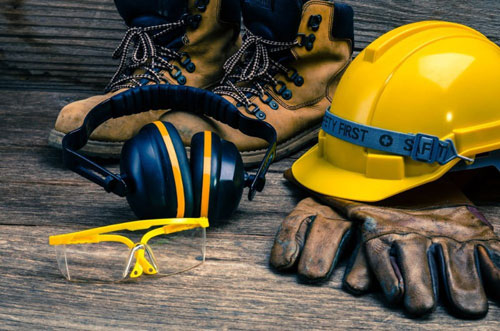
Wear safety gloves when handling metal parts of the boiler or distillation column during operation they will be hot and could cause burns. Heat-resistant gloves protect from burns during equipment adjustments.
Use safety glasses to protect your eyes from steam and splashing liquids. Chemical-resistant eyewear provides better protection than regular glasses.
Wear closed-toe shoes with non-slip soles. Spilled liquids create slippery surfaces, and dropped equipment can cause serious foot injuries.
17. Use Ground Fault Circuit Interrupters (GFCIs) For All Electrical Equipment
Install GFCI outlets for all electrical connections in your distilling area. These safety devices shut off power instantly if they detect electrical current leaking to ground, preventing electrocution from wet conditions.
Test GFCI outlets monthly using the test and reset buttons. Non-functioning GFCIs provide no protection and should be replaced immediately by a qualified electrician.
Keep electrical connections elevated and away from potential spill areas. Water and high-proof alcohol conduct electricity and create deadly shock hazards around standard electrical equipment.
18. Monitor Your Health During And After Distillation
Watch for headaches, dizziness, or nausea that indicate vapor exposure. These symptoms require immediate fresh air and may need medical attention. Take regular breaks from the distilling area to clear your lungs and assess your condition objectively.
Gradual vapor exposure can impair judgment without obvious symptoms. Keep a first aid kit stocked with burn treatments, eye wash solutions, and emergency contact information. Know basic first aid procedures before you need them.
And when you’re finally done for the day, giving your mind a break with relaxing games to play before bedcan help ease stress and improve rest.
19. Never Leave Your Still Unattended During Operation
Distillation requires constant supervision because equipment failures, temperature spikes, and cooling system problems happen without warning. Even short absences can lead to dangerous situations that escalate quickly.
Stay within sight and sound of your still throughout the entire process. If you must leave briefly, turn off your heat source and wait for temperatures to drop before stepping away.
Have a reliable assistant present who understands basic safety procedures if you need to take extended breaks. They should know how to shut down the system and call for help in emergencies.
20. Check Your Equipment Regularly For Leaks And Damage
Inspect all connections, gaskets, and seals before each distilling session and periodically during operation. Alcohol vapors escaping through small leaks create fire hazards and indicate potential equipment failure.
Look for corrosion, cracks, or wear on copper tubing and stainless steel components. Replace questionable parts immediately rather than risking failure during a distilling run.
Test cooling water connections under full operating pressure to identify leaks that only appear during active distillation. Water leaks can cause electrical hazardsand equipment damage.
People Also Ask
Is Home Distilling Legal Everywhere?
No, laws vary greatly by country and region. Many places require permits or ban home distilling outright. Always check with your local authorities before you start.
How Can I Detect Leaks In My Still?
Use a clean cloth soaked in ammonia; any leaks of alcohol vapor will cause a strong smell on the cloth. Also, listen for hissing sounds and look for wet spots regularly.
What Type Of Fire Extinguisher Should I Have?
A Class B fire extinguisher is best for flammable liquid fires, such as alcohol fires. Make sure you know how to operate it before distilling.
How To Avoid Methanol In Home Distilling?
Removal of pectin-rich fruit parts such as skins may reduce methanol content. Acidification of mash inhibits the activity of pectin methylesterase. It also inhibits spoilage microorganisms, which may produce pectin methylesterase. Temperature treatment efficiently denaturizes pectin methylesterase enzymes.
Final Thoughts
Safety is the foundation of successful home distilling. Following these 20 tips helps you avoid common dangers. Always prioritize good preparation, the right equipment, and constant attention. When you respect the risks and commit to safe practices, home distilling becomes an enjoyable, creative, and safe craft.